
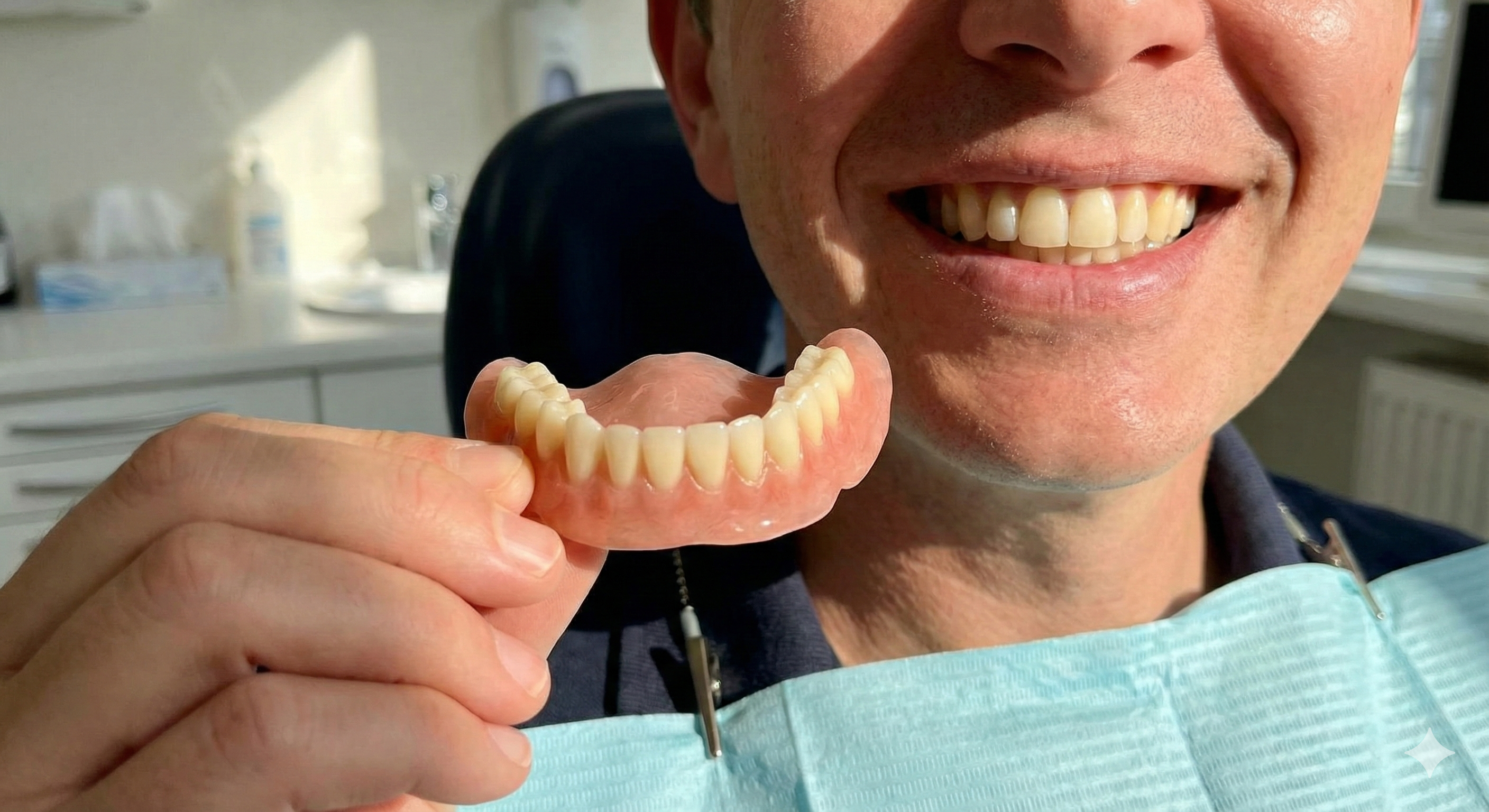
Yes, you can eat with flipper teeth, but only softer and moderate-texture foods are recommended. Hard, sticky, or tough foods can break or loosen the appliance.
Chew slowly, take small bites, avoid biting with the front teeth, and gradually introduce more foods as comfort improves.
Can You Eat With Flipper Teeth?
Flipper teeth serve as temporary tooth replacements during healing or while waiting for long-term solutions.
Many individuals wonder whether eating with these appliances is safe, comfortable, or even possible.
Understanding their limitations and learning the right techniques makes mealtimes easier and prevents frustration.
Flipper teeth allow users to eat soft and moderate foods safely, but they require slow chewing, smaller bites, and mindful food selection to avoid breaking or loosening the appliance.
Understanding Flipper Teeth
What Flipper Teeth Are
Flipper teeth are lightweight acrylic appliances designed to fill gaps during dental treatment.
They restore appearance immediately and help maintain tooth spacing.
Their design makes them comfortable for daily wear but not intended for heavy chewing.
Why People Wear Flipper Teeth
Users rely on them after tooth removal, during healing, or before implant placement.
They improve confidence by filling visible gaps and preventing unwanted shifting.
However, chewing limitations are expected due to the temporary acrylic structure.
Functional Expectations
A flipper is not anchored like a permanent restoration, so movement may occur during meals.
This slight looseness impacts biting power and stability.
Their purpose is aesthetic and transitional—not long-term, high-pressure chewing.

Can You Eat With Flipper Teeth?
General Eating Capability
Most individuals can eat with flipper teeth once they adapt.
Soft foods are easiest to start with, followed by gentle progression to moderate textures.
Strong biting force should be avoided to protect the acrylic base.
Initial Eating Experience
At first, the appliance may feel bulky or slightly loose.
This sensation improves as the mouth adjusts to pressure changes.
Practice builds confidence and chewing efficiency.
Recommended Professional Guidance
Dental providers emphasize slow chewing, avoiding risky foods, and maintaining cleanliness.
Adjustments may be necessary if discomfort persists.
A gradual, cautious eating routine is the safest approach during adaptation.
Foods You Can Eat With Flipper Teeth
Soft Foods for the Adjustment Stage
These foods allow comfortable chewing while minimizing pressure:
- Mashed potatoes
- Pudding and yogurt
- Scrambled eggs
- Smooth soups
- Oatmeal or porridge
These options help users adapt safely.
Foods Introduced After Initial Comfort
As comfort improves, light-chewing foods become manageable:
- Soft pasta
- Cooked vegetables
- Flaked fish
- Soft casseroles
- Shredded meats
Cutting food smaller improves control and reduces stress on the appliance.
Preparing Foods for Easier Chewing
Steaming vegetables, softening meats, or adding sauces improves texture.
These steps help distribute pressure more evenly.
Food preparation plays a key role in protecting the appliance during meals.

Foods to Avoid With Flipper Teeth
Hard Foods
These foods require strong biting force and may crack the appliance:
- Nuts
- Hard vegetables
- Crunchy crusts
- Hard candies
Sticky Foods
Sticky items may lift or pull the appliance:
- Caramel
- Taffy
- Chewy candies
- Sticky bars
Tough Foods
These foods require forceful chewing and can cause damage:
- Thick meat cuts
- Stringy or fibrous items
- Tough breads
Avoiding these items protects the flipper from cracking or dislodgement.
Techniques for Eating With Flipper Teeth
Chew Slowly and Evenly
Slow chewing gives the appliance time to remain stable.
Using both sides of the mouth prevents rocking motion.
This reduces discomfort and improves control.
Take Smaller Bites
Smaller bites reduce chewing pressure and help prevent shifting.
Cutting all foods into small pieces is highly recommended.
This technique leads to smoother adaptation.
Avoid Biting With Front Teeth
Flippers are vulnerable when biting into hard items with the front teeth.
Foods like apples or sandwiches should be cut into pieces.
Protecting the front portion prevents premature breakage.

Comfort and Adjustment Period
Getting Used to the Appliance
Adaptation varies from person to person.
Most individuals feel comfortable after a few days to two weeks.
Soft foods make the early period easier.
Managing Soreness
Mild soreness is normal during the first days.
Salt-water rinses soothe irritated areas.
If pain continues, minor adjustment may be needed.
When Professional Help Is Needed
If the appliance shifts frequently or causes lasting discomfort, a professional evaluation is recommended.
Small adjustments greatly improve comfort and chewing support.
Routine evaluation helps maintain stability and oral health.
Cleaning and Maintenance While Eating
Clean After Eating
Rinsing the mouth prevents food accumulation under the flipper.
Gentle brushing helps maintain hygiene and freshness.
This prevents irritation and odor.
Store Safely When Removed
If removed for cleaning, the device should be stored properly to avoid bending.
Moist conditions prevent warping.
Proper storage increases durability.
Protect the Appliance Long Term
Avoiding excess force and cleaning regularly extend the appliance’s lifespan.
Consistent maintenance prevents cracks, pressure spots, and discomfort.
Pros and Cons of Eating With Flipper Teeth
| Feature | Benefits | Limitations |
|---|---|---|
| Chewing ability | Soft–moderate foods are manageable | Not suitable for hard or sticky foods |
| Comfort | Improves with practice | Initial irritation possible |
| Durability | Sufficient for temporary use | Vulnerable to pressure |
| Care | Easy to remove and clean | Needs delicate handling |
Understanding these factors helps users set realistic expectations.
Tips for Long-Term Eating Success
Build Mindful Eating Habits
Slow chewing and cutting food small improve safety.
Routine habits help prevent complications.
Monitor Fit Regularly
Changes in the mouth can alter flipper fit.
Early detection prevents irritation and instability.
Prioritize Comfort
Comfort leads to better eating habits and longer appliance life.
Consistency is key to successful long-term use.
Can you eat normally with flipper teeth?
You can eat with flipper teeth, but softer foods are recommended until you adjust. Hard or sticky foods may cause damage.
What foods should be avoided?
Hard, sticky, or tough foods should be avoided because they may crack or loosen the appliance.
How long does adjustment take?
Users typically adjust within a few days to two weeks.
Can you bite into food with the front teeth?
No. Biting into firm foods using the front teeth can loosen or damage the flipper.
Do flipper teeth break easily?
They can break under excessive force. Careful chewing helps protect them.
Should flippers be worn while eating?
Most people wear them while eating unless discomfort occurs.