Dental Express

Understanding All-on-4 Dental Implants

Introduction:

All-on-4 dental implants have revolutionized the way we approach full-mouth teeth replacement. Designed for individuals who have lost most or all of their teeth, this innovative treatment provides a stable and natural-looking solution. Unlike traditional dentures that can slip and move, All-on-4 implants are securely anchored in the jawbone, giving you a confident smile and restoring full functionality.

This procedure involves placing four strategically positioned implants in the jaw, which serve as a foundation for a full arch of prosthetic teeth. It’s a less invasive option than procedures requiring more implants, reducing recovery time and overall discomfort. For many, All-on-4 implants offer a more comfortable and convenient alternative to traditional dentures.

We prioritize patient education and comfort. Understanding the process and benefits of All-on-4 dental implants can help you make an informed decision about your dental health. From what to expect during the procedure to the care required post-surgery, we aim to provide comprehensive information to help you regain a healthy, beautiful smile.

Understanding All-on-4 Dental Implants: A Comprehensive Overview

All-on-4 dental implants are an innovative solution designed to replace an entire arch of teeth using just four strategically placed implants. Unlike traditional dentures, which can be removable and sometimes uncomfortable, All-on-4 implants offer a permanent and stable solution that mimics the function and appearance of natural teeth. This method involves placing two implants vertically at the front of the mouth and two implants angulated at the back, maximizing the use of available bone and providing strong support for the prosthetic teeth.

The All-on-4 system is particularly beneficial for patients who have experienced significant tooth loss or who lack sufficient bone density for traditional implants. By using fewer implants and angling them strategically, this technique minimizes the need for bone grafting, reducing overall treatment time and cost. Patients can often leave the dental office with a functional set of temporary teeth on the same day as the implant surgery, making it a convenient and effective option for full smile restoration.

The Procedure: What to Expect During Your All-on-4 Treatment

Undergoing All-on-4 treatment involves several well-structured steps, including a comprehensive consultation and examination. During this initial phase, we take detailed X-rays and 3D scans to assess your oral health and bone structure. This information helps us create a personalized treatment plan tailored to your specific needs and the precise placement of each implant.

On the day of the procedure, the first step is to administer local anesthesia or sedation to ensure you are comfortable and pain-free. The dentist then makes small incisions in the gum tissue to expose the bone, where the four implants will be placed. The implants are inserted into the jawbone, with two positioned vertically at the front and two angled at the back to provide optimal support. Once the implants are secure, temporary acrylic teeth are attached to the implants, allowing you to leave the office with a functional smile.

The healing process, known as osseointegration, takes several months, during which the implants will naturally fuse with the jawbone. After this healing period, the temporary teeth are replaced with a permanent, custom-made set of teeth that match your natural teeth in appearance and function. Regular follow-up appointments ensure the success of the implants and the overall health of your gums and jawbone.

Comparing All-on-4 Implants with Traditional Dentures: Pros and Cons

When deciding between All-on-4 dental implants and traditional dentures, it’s important to understand the pros and cons of each option. All-on-4 implants involve placing four implants into the jawbone to support a full arch of teeth, offering a stable and long-lasting solution. Traditional dentures, on the other hand, are removable and rest on top of the gums.

Pros of All-on-4 Implants:

1. Stability and Comfort: All-on-4 implants provide a secure fit, reducing the shifting or slipping that often occurs with traditional dentures.

2. Bone Preservation: Implants stimulate the jawbone, helping to prevent bone loss over time, which can occur with traditional dentures.

3. Natural Appearance: All-on-4 implants look and feel more like natural teeth, offering better aesthetics and functionality.

Cons of All-on-4 Implants:

1. Surgical Procedure: The placement of implants requires surgery, which involves recovery time and potential risks.

2. Cost: All-on-4 implants can be more expensive upfront compared to traditional dentures.

Pros of Traditional Dentures:

1. Non-Surgical: Dentures do not require surgery, making them a less invasive option.

2. Cost-Effective: Traditional dentures are generally more affordable and can be a quicker solution.

Cons of Traditional Dentures:

1. Stability Issues: Dentures can shift and cause discomfort, particularly while eating or speaking.

2. Bone Loss: Without stimulation from implants, the jawbone may deteriorate over time.

Understanding these differences can help patients choose the option that best fits their needs and lifestyle.

Post-Surgery Care and Maintenance for All-on-4 Dental Implants

Proper care and maintenance after All-on-4 implant surgery are vital to ensure their longevity and effectiveness. Following the dentist’s post-operative instructions can lead to a smooth recovery and a beautiful, long-lasting smile.

Post-Surgery Care Tips:

1. Oral Hygiene: Maintain good oral hygiene by brushing and flossing regularly. Use a soft-bristled toothbrush and non-abrasive toothpaste to avoid damaging the implants.

2. Diet: Stick to a soft diet during the initial healing period. Avoid hard or sticky foods that could strain the implants.

3. Follow-Up Visits: Attend all scheduled follow-up appointments with your dentist to monitor the healing process and address any issues promptly.

4. Medication: Take prescribed medications as directed to manage pain and prevent infection. Applying ice packs can also help reduce swelling.

Long-Term Maintenance Tips:

1. Regular Dental Check-Ups: Visit your dentist regularly for professional cleanings and check-ups to ensure the implants remain in excellent condition.

2. Avoid Smoking: Smoking can hinder the healing process and contribute to implant failure. It’s best to avoid tobacco products altogether.

3. Watch for Signs: Be on the lookout for any signs of complications, such as persistent pain, swelling, or bleeding, and report them to your dentist immediately.

By following these care guidelines and maintaining consistent dental visits, you can enjoy the benefits of your All-on-4 dental implants for many years.

Conclusion

Choosing the right dental solution is crucial for maintaining both the health and aesthetics of your smile. All-on-4 dental implants offer a modern and effective alternative to traditional dentures, providing stability, comfort, and a more natural appearance. Understanding the differences between these options and knowing how to care for your implants can help you make an informed decision that best suits your needs.

At Dental Express, we’re committed to providing comprehensive dental care tailored to your individual needs. Whether you’re considering All-on-4 implants in San Diego or need guidance on other dental treatments, our team of professionals is here to help.

Invest in your smile today by scheduling a consultation with Dental Express. Together, we can ensure that your oral health is in the best possible hands, giving you the confidence and comfort you deserve.

Caries Risk Assessment: Prevent Cavities with Confidence

Cavities are a common dental problem that can lead to discomfort and more serious oral health issues if not addressed. Understanding what causes cavities and how to prevent them is a crucial aspect of maintaining a healthy smile. One effective way to combat cavities is through a caries risk assessment.

A caries risk assessment is a tool dentists use to determine how likely a person is to develop cavities. By evaluating various factors such as diet, oral hygiene habits, and medical history, dentists can identify individuals who may have a higher chance of getting cavities. This information is vital as it guides both patients and dental professionals in creating a robust plan to maintain dental health.

Taking the time to assess caries risk can significantly decrease the likelihood of cavity formation. It enables tailored prevention plans, promoting better oral hygiene practices that are specially adapted to a person’s unique needs. Emphasizing the importance of such assessments lays the groundwork for healthier teeth and gums, ultimately leading to lasting dental well-being.

Understanding Caries Risk Assessment

Caries risk assessment is a vital tool that helps in identifying an individual’s likelihood of developing cavities. It involves analyzing various factors that contribute to tooth decay, enabling dentists to customize preventive strategies tailored to each patient. This assessment considers past dental history, dietary habits, oral hygiene practices, and even genetic factors.

The importance of caries risk assessment cannot be overstated. By evaluating risk levels, dentists can provide personalized advice to prevent cavities, improving overall dental health. This preemptive approach not only addresses current dental concerns but also helps avoid future complications, saving time and resources in the long run.

Understanding your risk for cavities means taking proactive steps to maintain oral health. High-risk individuals may need more frequent dental visits, specific fluoride treatments, or dietary adjustments to reduce sugar intake. Meanwhile, those at lower risk benefit from confirming effective oral hygiene practices and ensuring that they continue along a healthy dental path. In essence, caries risk assessment empowers patients and dentists to work together towards maintaining a healthy smile.

The Process of Assessing Caries Risk

The process of assessing caries risk involves several steps, each designed to gather detailed information about your dental health. Here’s an overview of how this assessment typically unfolds:

1. Dental Exam: The dentist conducts a thorough examination of your teeth and gums. This includes looking for signs of decay, gum disease, and the overall condition of existing fillings and dental work.

2. Health and Dental History Review: Understanding your medical and dental history provides insights into recurring issues or genetic predispositions that might affect oral health.

3. Dietary Habits Assessment: Diet plays a significant role in cavity formation. A review of your eating habits helps identify foods or beverages that might increase your risk of decay.

4. Oral Hygiene Evaluation: Your daily oral care routine is examined, ensuring that brushing and flossing techniques are effective. The use of fluoride toothpaste and mouthwash is also considered.

5. Saliva Testing: In some cases, saliva tests may be used to evaluate bacterial levels and other factors that affect the health of your mouth.

6. Risk Factor Analysis: The dentist considers factors like smoking, medication use, or medical conditions that might increase caries risk.

7. Feedback and Plan: After gathering this information, the dentist discusses the findings with you, outlining your risk level and suggesting a personalized plan for prevention and treatment.

This step-by-step approach ensures a comprehensive understanding of your oral health, guiding both immediate and future care decisions. By clearly knowing your risk for cavities, you can take informed steps to maintain healthy teeth and gums.

Benefits of Knowing Your Caries Risk

Understanding your caries risk can significantly enhance your dental care regimen. When you know your risk levels for cavities, you can take proactive steps to protect your teeth more effectively. This knowledge helps in tailoring preventive strategies that are specific to your dental needs, ultimately leading to fewer cavities and a healthier smile.

One major benefit is cost efficiency. Patients able to accurately gauge their risk are more likely to adopt preventive measures that reduce the likelihood of needing costly dental repairs in the future. Catching potential problems early often means simpler and less expensive treatments.

Another advantage is improved dental care planning. By knowing your risk factors, you and your dentist can design a maintenance schedule that ensures frequent check-ups and interventions are timed appropriately. This helps in avoiding the progression of dental issues that could require more intensive treatment.

Moreover, understanding caries risk aids in lifestyle modification. Many risk factors are related to dietary habits and oral hygiene practices. Recognizing how daily choices influence your oral health can inspire healthier habits that lead to long-lasting results.

Personalized Prevention Plans

Caries risk assessment serves as the foundation for crafting individualized prevention plans. These plans are designed to address your specific risk factors and help you maintain optimal dental health.

1. Fluoride Treatments: Based on your assessed risk, dentists may recommend professional fluoride applications. This helps in strengthening enamel and preventing decay, especially if you’re at high risk.

2. Dental Sealants: Sealants are a great way to prevent cavities, particularly in children. They act as a protective shield over teeth that are prone to decay, blocking out food particles and bacteria.

3. Customized Oral Hygiene Routine: Depending on your risk level, your dentist might suggest certain products or techniques to enhance your at-home dental care. This includes advice on toothbrush types, toothpaste with specific fluoride content, and more effective flossing techniques.

4. Dietary Advice: Risk assessment not only identifies bad habits but also offers specific dietary adjustments. Cutting down on sugary snacks and drinks can greatly reduce decay risk.

5. Regular Dental Visits: Patients identified as high-risk may require more frequent dental check-ups. This ensures early detection and intervention for any emerging issues.

These personalized plans are crucial for effectively preventing cavities and ensuring that your dental care is comprehensive and proactive.

Conclusion

Caries risk assessment offers an insightful way to understand your dental health landscape. By determining the factors that contribute to your susceptibility to cavities, you can better manage your oral health through preventive strategies tailored specifically to your needs. This proactive approach not only enhances dental wellness but can also bring peace of mind, knowing that you’re doing everything possible to maintain healthy teeth.

Engaging in regular caries risk assessments allows for consistent monitoring and adjustment of your prevention plan, adapting it as needed to reflect any changes in your oral health or risk factors. This ensures that any potential issues are addressed promptly, preserving the integrity of your enamel and supporting a bright, healthy smile for years to come.

If you’re ready to take control of your dental health, visit the Dental Express for a comprehensive caries risk assessment. Our team of experts is dedicated to helping you understand your unique oral health needs and develop a personalized care plan that fits your lifestyle. Schedule an appointment today and take the first step towards a cavity-free future!

How to Handle a Dental Emergency: Quick Relief & Expert Tips

Introduction:

A dental emergency can happen when you least expect it, leaving you in pain and unsure of what to do next. From severe toothaches to a knocked-out tooth, these situations require quick action to avoid further damage. Knowing what constitutes a dental emergency can help you react effectively and seek the right care.

Understanding the difference between urgent and non-urgent dental situations is important. It helps you decide whether immediate action is needed or if the issue can wait until your next dentist appointment. Properly identifying these emergencies allows you to prioritize your health and minimize the risk of long-term complications.

Taking immediate steps in a dental emergency can stabilize the situation and bring much-needed relief. Simple actions like rinsing your mouth with water, preserving a knocked-out tooth, and managing discomfort can make a significant difference. Being prepared helps you to stay calm and in control until you can see a dentist.

Identifying Dental Emergencies

Dental emergencies can happen unexpectedly and cause a lot of stress. Knowing what qualifies as an emergency helps you act quickly and appropriately. Common dental emergencies include severe toothaches that don’t go away. This pain might come from an abscess or an infected tooth. Another emergency is a knocked-out tooth, which requires swift action to increase chances of saving it. Broken or chipped teeth, especially if they cause pain, also need attention.

There are other times when a dental issue might not be urgent. For example, a small chip in a tooth that doesn’t hurt or bleeding gums when you brush are situations that can likely wait. It’s important to differentiate between urgent and non-urgent situations.

Urgent cases need immediate dental care to relieve pain, treat infections, or repair injuries that can get worse. Non-urgent issues can wait for a regular appointment. When you’re unsure, it’s always best to err on the side of caution and contact your dentist.

Being able to identify what a dental emergency is helps you prioritize your actions and reduce anxiety. Quick thinking and proper care can prevent further damage and ensure the best outcome for your dental health.

Immediate Steps to Take During a Dental Emergency

When a dental emergency strikes, knowing how to respond swiftly can make a big difference. Here’s a list of immediate actions to take:

  • Severe Toothache: Rinse your mouth with warm water and use dental floss to remove any food particles. Avoid placing aspirin on the tooth as it might harm the gums.
  • Knocked-Out Tooth: Pick up the tooth by the crown, not the root. Rinse it gently if dirty, but do not scrub. Try to place the tooth back in its socket or store it in milk to keep it moist until you reach a dentist.
  • Broken or Chipped Tooth: Rinse your mouth with warm water and save any broken pieces. Apply a cold compress on your face to help reduce swelling.
  • Bleeding: For any soft tissue injuries like lips, tongue, or cheeks, rinse with lukewarm salt water. Then, apply a piece of gauze to the bleeding area, holding it in place until the bleeding stops.

It’s vital to also take precautions to avoid worsening the condition. Avoid very hot or cold foods that can irritate dental injuries. Do not use sharp instruments to poke at your mouth. Refrain from applying direct pressure on a knocked-out tooth socket.

Act fast and get in touch with your dental professional for guidance. They can offer help over the phone and provide instructions on what to do next. Knowing these steps ensures you stabilize the situation effectively and seek the care you need in time.

How Emergency Dental Care Differs from Regular Checkups

Emergency dental care focuses on immediate treatment to address urgent dental issues and prevent further problems. Unlike routine checkups, which emphasize preventive care and maintenance, emergency care addresses sudden pain, injuries, or infections. The goal is to alleviate discomfort and stabilize the situation quickly.

Emergency dentists are trained to treat a wide range of urgent issues, such as severe infections, damaged teeth, or dental trauma. They provide prompt diagnosis and treatment, which might include pain relief, temporary restorations, or urgent surgical interventions. This quick response helps avoid complications and long-term damage.

Another key difference is accessibility. Emergency dental services are often available outside of normal business hours to address unexpected events. This ensures that you can receive care whenever a dental emergency occurs, preventing days of unnecessary pain or worsening conditions.

Prompt action in a dental emergency is crucial. Delays can lead to more extensive treatment, increased costs, and more discomfort. Reaching out to dental professionals immediately helps you receive the best care possible and protects your long-term dental health.

Preventing Future Dental Emergencies

Taking steps to prevent dental emergencies ensures you maintain a healthy smile and avoid unexpected trips to the dentist. Regular dental checkups are fundamental. These visits allow your dentist to identify potential problems early and provide preventive treatments like cleanings and sealants.

Good oral hygiene is also key. Brushing twice a day with fluoride toothpaste, flossing daily, and using an antibacterial mouthwash can prevent tooth decay and gum disease, reducing the risk of emergencies. Eating a balanced diet low in sugar helps protect your teeth from cavities as well.

Wearing protective gear during sports activities prevents injuries. Mouthguards are especially important in contact sports, as they cushion blows and safeguard your teeth from damage. Additionally, avoid habits like chewing ice or biting hard objects that could fracture your teeth.

Making smart lifestyle choices also helps minimize risks. Avoid smoking, as it harms gum health significantly. Limiting alcohol consumption helps too, as it can contribute to oral issues. By incorporating these habits into your routine, you reduce the likelihood of dental emergencies and maintain strong, healthy teeth.

Conclusion:

Being informed about dental emergencies and knowing how to respond effectively helps ensure you’re better prepared to handle unexpected situations confidently. Emergency dental services play a crucial role in managing sudden dental issues and preventing further damage. Remember, dental emergencies require immediate attention. Acting swiftly and contacting a dental professional ensures that your problem is addressed with the urgency it deserves.

Maintaining regular dental checkups and incorporating good oral hygiene practices into your daily routine are essential for preventing emergencies. By taking preventive measures and making informed choices, you enhance your dental health and minimize the risk of accidents and injuries.

For expert guidance and prompt care during a dental emergency, The Dental Express is here to help. Our emergency dentistry in San Diego understands the urgency of dental emergencies and is ready to provide the care and support you need. Don’t hesitate to contact us whenever you require immediate dental attention or want to ensure your oral health stays in good shape.

Revitalize Your Smile with Laser Gum Treatment and Periodontal Dentistry

Gum health is a vital aspect of maintaining optimal oral hygiene and a gorgeous smile. Unfortunately, periodontal disease is a common oral health issue affecting millions of people worldwide. It’s crucial to address gum disease in its early stages, as untreated conditions can lead to tooth loss, bone deterioration, and other health problems. One innovative solution that effectively targets gum disease and supports overall oral health is the use of laser gum treatment combined with modern periodontal dentistry. 

Laser gum treatment, a minimally invasive approach to managing periodontal disease, offers numerous benefits compared to traditional gum surgery. This advanced procedure utilizes a dental laser to precisely remove diseased gum tissue, sterilize the area, and promote natural healing and gum reattachment, all with minimal discomfort and downtime. Laser gum treatment is known to be more precise and efficient than traditional methods, resulting in reduced bleeding, swelling, and recovery time for the patient.

Periodontal dentistry focuses on the prevention, diagnosis, and treatment of various gum diseases, including gingivitis and periodontitis. Combining the use of laser gum treatment with the latest periodontal dentistry techniques helps prevent the progression of gum disease, ultimately improving your oral health and preserving your natural teeth. In this article, we will discuss the advantages of these cutting-edge techniques and explore how they can positively impact your gum health and your smile.

Understanding Periodontal Disease: Causes and Symptoms

Periodontal disease, commonly known as gum disease, starts with the formation of plaque on the teeth. Plaque consists of bacteria, mucus, and food debris, and if not properly removed, it can harden into tartar. Unfortunately, tartar can’t be removed by regular brushing and flossing alone – only a dentist can remove hardened tartar through professional dental cleanings.

If the accumulation of plaque and tartar continues, it can eventually lead to inflammation of the gums, known as gingivitis. Symptoms of gingivitis include red, swollen gums that may bleed easily during brushing. Gingivitis can progress to a more severe form of gum disease called periodontitis, wherein the gums start to pull away from the teeth, forming pockets that can house infection. If left untreated, periodontitis can destroy the gums, supporting bones, and teeth.

Laser Gum Treatment: A Minimally Invasive Option for Gum Health

Laser gum treatment is a modern, innovative solution that uses precise laser energy to target diseased gum tissue. This minimally invasive method brings multiple benefits to those suffering from gum disease, including:

1. Reduced Discomfort: Laser gum treatment causes less discomfort during and after the procedure compared to traditional gum surgery, ensuring a more comfortable experience for patients.

2. Faster Recovery: With minimal bleeding, swelling, and postoperative pain, patients can expect a quicker return to their daily routine and optimal oral health.

3. Preserved Gum Tissue: The laser’s precision allows the dentist to preserve healthy gum tissue while removing only the damaged areas, ultimately leading to improved gum health, aesthetics, and a stronger chance for natural healing.

4. Possible Regrowth: The dental laser helps stimulate regrowth and attachment of the gum tissue, promoting a healthy, natural recovery of the affected areas.

The Importance of Preventive Periodontal Dentistry

Preventing gum disease in the first place can save you from more invasive procedures and complications down the line. A proactive approach to periodontal dentistry can keep your gums in excellent health, enabling you to enjoy a lasting, radiant smile. Some preventive measures include:

1. Regular Dental Cleanings: Schedule dental cleanings and check-ups every six months to reduce plaque and tartar buildup.

2. Effective At-Home Oral Hygiene: Brush your teeth twice a day with fluoride toothpaste and floss daily to remove food particles and bacteria from between your teeth.

3. Healthy Diet: Focus on a balanced diet rich in fruit, vegetables, lean protein, and low in sugar to support overall oral health.

4. Quit Smoking: Smoking increases your chance of developing gum disease and further weakens your immune system’s ability to fight infection.

Conclusion

The combination of laser gum treatment and periodontal dentistry introduces a new era of effective, minimally invasive care for patients suffering from gum disease. By embracing these cutting-edge techniques and ensuring proper oral care habits, you can successfully combat periodontal disease and regain your stunning, healthy smile. So, if you’re dealing with gum health issues and want to revitalize your smile, don’t wait any longer. Explore the wonders of laser gum treatment and periodontal dentistry to transform your oral health and regain a stunning, healthy smile!

If you’re interested in learning more about laser gum treatment and how modern periodontal dentistry can help revitalize your smile, don’t hesitate to get in touch with Dental Express. Our team of expert dentists in San Diego is committed to providing personalized, advanced dental care to support your journey to optimal oral health and a lifetime of radiant smiles. Contact us today to schedule an appointment!


Rediscover Your Radiant Smile with Teeth Whitening Options at Dental Express

A bright, radiant smile can not only enhance your appearance but also boost your confidence and self-esteem. Over time, factors such as age, dietary habits, smoking, and certain medications can lead to discolored or stained teeth. Fortunately, advances in dental care provide various teeth whitening options designed to restore your smile’s natural brilliance. At Dental Express, our commitment to exceptional dental care includes offering professional teeth whitening treatments in San Diego that cater to your unique goals and preferences.

In this comprehensive guide, we will discuss the different teeth whitening options available, their benefits, and how to maintain a stunning smile after your whitening treatment. Whether it’s an in-office procedure or convenient at-home solutions, Dental Express is dedicated to helping you rediscover the radiant smile you deserve.

Factors Contributing to Teeth Discoloration

Before exploring teeth whitening options, it is essential to understand the factors that contribute to teeth discoloration. These factors include:

1. Food and Beverages: Coffee, tea, red wine, and dark-colored fruit juices are known to cause teeth staining over time due to their chromogenic agents and tannins.

2. Tobacco Use: Smoking or chewing tobacco can significantly contribute to teeth discoloration due to the presence of tar and nicotine.

3. Age: As we age, the enamel on our teeth wears down, revealing the darker yellow dentin underneath.

4. Medications: Certain medicines, including antibiotics like tetracycline and medications for high blood pressure, can cause teeth discoloration as a side effect.

5. Poor Oral Hygiene: Inadequate brushing, flossing, and regular dental check-ups can lead to the buildup of plaque and tooth staining.

Understanding Teeth Whitening Options

Teeth whitening options can be broadly categorized into two types: in-office whitening treatments and at-home whitening solutions. Both methods aim to break down the stains on the tooth’s surface, thus brightening the tooth color.

In-Office Teeth Whitening Treatments

In-office teeth whitening treatments, also known as professional teeth whitening, are performed by dental professionals and deliver faster, more effective results compared to at-home solutions.

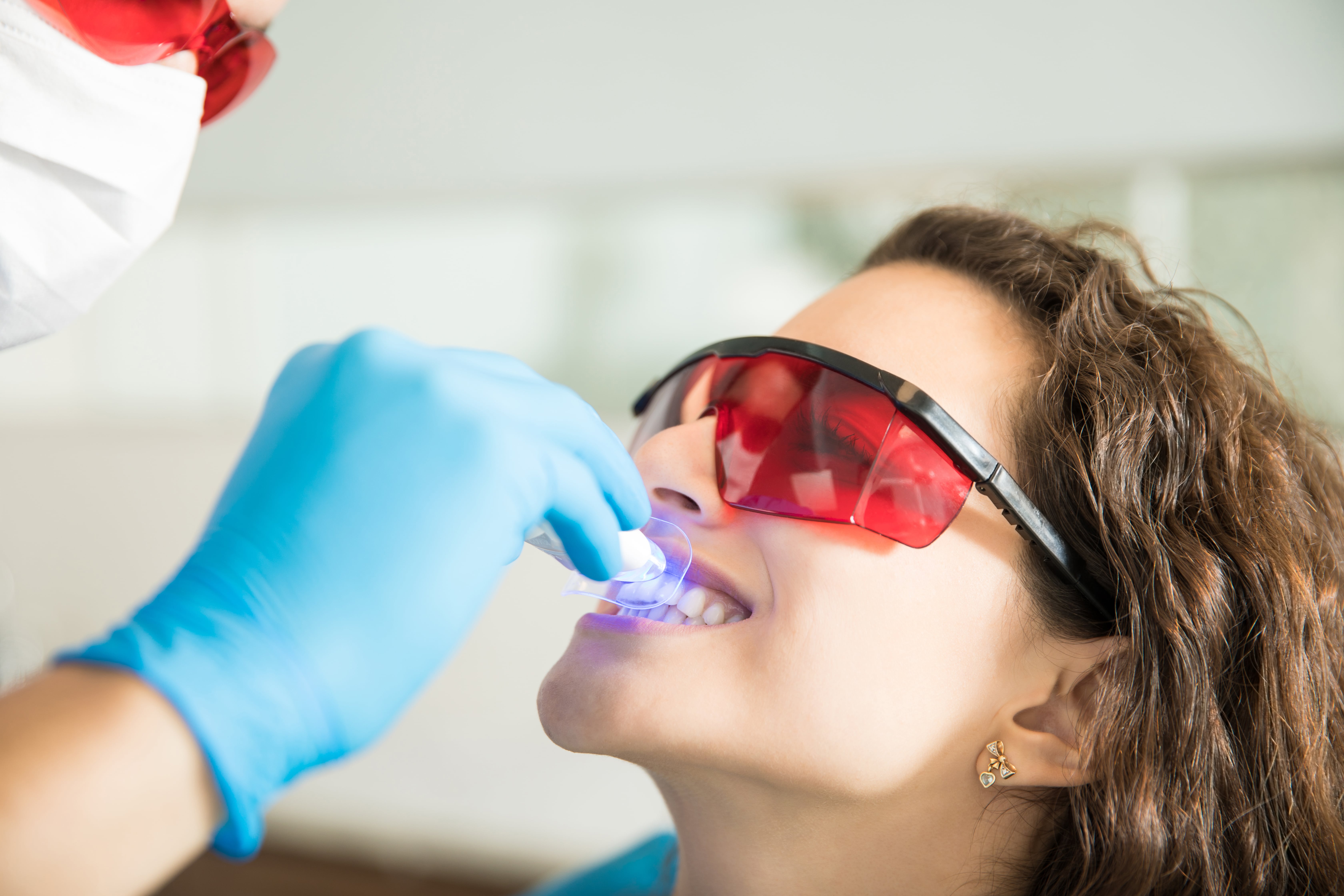
1. Chairside Bleaching: This treatment involves applying a high-concentration peroxide gel to the teeth and using a specialized LED light to activate the whitening process. The procedure usually takes about 60 minutes and can visibly brighten your teeth by several shades in just one appointment.

2. Internal Bleaching: For teeth that have undergone root canal treatments and have become discolored internally, a dentist can perform internal bleaching. In this procedure, the dentist places a bleaching agent inside the tooth and temporarily covers it with a filling. The agent remains inside the tooth for a specified period before being removed, resulting in a brighter tooth color.

At-Home Teeth Whitening Solutions

At-home teeth whitening solutions offer a more affordable and convenient alternative to in-office treatments. However, results may take longer to achieve compared to professional whitening.

1. Custom-Fitted Whitening Trays: Dental professionals can create custom-fitted whitening trays specifically designed to fit your teeth. These trays are filled with a bleaching gel and worn for a specified duration, usually overnight or a few hours per day for several weeks.

2. Over-the-Counter Whitening Strips and Gels: These products typically contain lower concentrations of bleaching agents compared to in-office treatments. Whitening strips are thin, flexible sheets coated with a peroxide-based gel that you adhere to your teeth, while gels are applied directly to the tooth’s surface using a brush or tray. Results may vary, and consistent use is required to see noticeable improvements.

Maintaining Your Radiant Smile

After a teeth whitening treatment, it’s essential to maintain good oral hygiene and adopt habits that prolong the results. Here are some tips for keeping your smile radiant:

1. Follow a Consistent Oral Care Routine: Brush your teeth at least twice a day with a fluoride toothpaste, floss daily, and use an antibacterial mouthwash to prevent plaque buildup and teeth staining.

2. Limit Staining Food and Beverages: Reduce the consumption of dark-colored beverages like coffee, tea, and red wine, or consider using a straw to minimize contact with your teeth. Avoid consuming excessive staining foods such as berries, balsamic vinegar, and soy sauce.

3. Quit Smoking: Tobacco use causes teeth discoloration and various other health problems. Quitting smoking will not only help maintain your bright smile but also significantly improve your overall health.

4. Schedule Regular Dental Check-Ups: Visit your dentist regularly for check-ups and professional teeth cleaning to ensure optimal oral health.

Selecting the Right Teeth Whitening Option for You

When considering teeth whitening, consult with your dental professional to determine the most suitable option for your unique needs. Factors such as the severity of discoloration, sensitivity levels, and budget will influence the choice of treatment. Remember that teeth whitening treatments are not permanent and may require periodic touch-ups to maintain a bright smile, especially if the discoloration factors persist.

Achieve a Confident, Radiant Smile with Teeth Whitening at Dental Express

A radiant smile can significantly impact your self-confidence and overall well-being. With various teeth whitening options available, including in-office treatments and convenient at-home solutions, Dental Express is committed to helping you achieve the bright, dazzling smile you desire. Our experienced dental professionals will carefully assess your individual needs and preferences to determine the most suitable teeth whitening option for you.

Don’t wait any longer to rediscover your radiant smile. Schedule a consultation with Dental Express today to discuss your teeth whitening options and embark on a journey toward a confident, stunning smile that reflects your best self. Our team, dedicated to providing exceptional dental care, looks forward to assisting you in transforming your smile and enhancing your confidence.