Dental Express

Quick Relief for Tooth Pain in San Diego

Tooth pain can strike at the most unexpected times, making it tough to focus on anything else. Whether it’s a dull ache or a sharp jolt, the discomfort demands attention. Finding quick solutions is key to getting back to feeling normal. For those in San Diego, knowing how to address tooth pain swiftly and effectively can be invaluable. This guide highlights simple methods to ease that discomfort while shedding light on why swift action is so important.

Imagine you’re enjoying a beautiful afternoon in San Diego when suddenly, an intense pain shoots through your tooth. This unpleasant surprise doesn’t just ruin your day; it can also signal a bigger problem. Immediate relief is not just about comfort; it’s about preventing further issues. Being prepared can mean the difference between a minor inconvenience and a larger, more complicated problem. Let’s explore some straightforward solutions that can offer quick relief.

Common Causes of Tooth Pain

Understanding why tooth pain occurs can help you decide on the best way to alleviate it. Here are some common culprits:

1. Cavities: These are tiny openings in the teeth caused by decay. They can lead to sharp or persistent pain.

2. Gum Disease: An infection of the gums that can cause swelling, bleeding, and aching.

3. Tooth Fractures: Cracks or breaks can expose sensitive inner parts of the tooth, leading to discomfort.

4. Abscessed Tooth: This serious condition involves an infection at the root or between the gum and tooth, causing significant pain and swelling.

5. Tooth Sensitivity: Sometimes, exposed nerves due to worn enamel or receding gums can result in discomfort, especially when consuming hot or cold foods.

Identifying the cause gives insight into the most effective relief method. For example, a cracked tooth might benefit from avoiding hard foods, while sensitivity could be eased with certain types of toothpaste.

Quick Home Remedies

While waiting to see a dentist, certain home remedies can provide temporary relief. Here are a few tried-and-true options:

– Rinse with Salt Water: This can clean the area and reduce inflammation. Simply dissolve a teaspoon of salt in a cup of warm water and swish it around your mouth for about 30 seconds before spitting it out.

– Cold Compress: Applying a cold compress to the cheek can numb the pain and reduce swelling. Use a cloth-wrapped ice pack on the affected area for 15 minutes, then take a break before applying again.

– Clove Oil: Known for its numbing properties, clove oil can be dabbed directly onto the painful tooth using a cotton ball. It may help reduce pain temporarily.

Each remedy has unique benefits and considerations. For instance, while salt water rinses are great for cleaning, clove oil must be applied carefully to avoid burning delicate tissues. Applying these tips can help manage pain effectively until professional care is available.

Over-the-Counter Solutions

When a home remedy isn’t cutting it, you might find relief with over-the-counter options. These can be a lifesaver when tooth pain makes daily activities tough. Let’s look at some popular choices available at most pharmacies:

– Pain Relievers: They’re an easy solution for managing discomfort. Ibuprofen or acetaminophen works well for reducing pain and inflammation. Remember to follow the dosage instructions on the package to avoid any side effects.

– Topical Gels: These are designed to numb the specific area that’s bothering you. They include benzocaine, which provides temporary relief. Just apply a small amount to the affected area, and you should feel some relief in a few minutes. Use them sparingly, as excessive use may irritate gums.

– Numbing Rinses: Mouthwashes containing antigingivitis elements can help clean the mouth and offer a bit of pain relief. Swish as directed, but don’t overdo it, as it might cause tissue irritation.

Each product has its own set of guidelines, so take a moment to read labels and instructions. They can really come in handy when you need quick, non-prescription help with tooth pain.

When to Seek Professional Help

While self-care can offer temporary relief, some situations require a professional touch. It’s important to recognize when home treatment isn’t enough. If you experience any of the following, it’s time to visit a dentist:

– Severe or persistent pain that doesn’t ease with meds or gels.

– Significant swelling that makes it difficult to open your mouth or affects your breathing.

– High fever paired with tooth pain—this could be a sign of infection.

Getting professional help promptly can prevent small problems from becoming big issues. Dentists have the tools and expertise to treat conditions effectively, reducing the risk of complications down the line.

Keeping Tooth Pain at Bay

Preventing tooth pain involves taking proactive steps in day-to-day oral care. Here are simple tips to help keep your teeth and gums healthy:

1. Brush and Floss Daily: This removes food particles and plaque that can lead to decay and gum issues.

2. Regular Dental Check-Ups: Seeing your dentist twice a year helps catch problems early, before they worsen.

3. Limit Sugary Foods and Drinks: Sugars can contribute to cavities, so it’s wise to enjoy them in moderation.

4. Use a Fluoride Toothpaste: It helps strengthen tooth enamel, making it more resistant to decay.

5. Stay Hydrated: Water helps wash away food particles and keeps saliva production going, which naturally cleanses the mouth.

By staying on top of these habits, you can reduce the likelihood of experiencing emergency tooth pain. Investing a little time in maintaining oral health goes a long way toward avoiding discomfort and ensuring a bright, healthy smile.

Understanding the Support of Your Local Dentist

Taking control of tooth pain often starts with understanding its causes and solutions. Whether you’re leaning on home remedies or reaching for OTC products, having knowledge about these options empowers you to take the right action when discomfort strikes.

However, it’s crucial to remember that professional care plays a key role in maintaining overall dental health. If you face persistent issues or severe pain, trusting a dentist ensures you get the expert care you need to feel your best.

Living in San Diego, you’re fortunate to have access to skilled dental providers who can offer relief in emergencies and help maintain a healthy smile. Whether you’re dealing with unexpected toothaches or seeking preventive care, the right support is just around the corner.
For anyone struggling with sudden toothaches in San Diego, finding the right support can make all the difference in alleviating discomfort. Explore effective emergency tooth pain relief at Dental Express to ensure quick and professional care when it matters most. With comprehensive options tailored to your needs, you can maintain a bright and healthy smile.

What to Expect with Nitrous Oxide Sedation at the Dentist

Visiting the dentist can sometimes be overwhelming, especially if you’ve ever felt anxious about a procedure. For those looking for a way to ease their dental experience, nitrous oxide sedation might be the answer. Commonly known as “laughing gas,” nitrous oxide is a safe and effective way to help you relax during dental treatments.

This sedation technique works quickly to calm your nerves, making your dental visit much more manageable and less stressful. It’s administered through a small mask over your nose, allowing you to breathe in the gas and quickly feel at ease. What’s more, the effects wear off soon after the mask is removed, so you can return to your regular activities without delay.

Understanding how nitrous oxide sedation can enhance your comfort during dental visits is essential. By exploring its benefits and learning about what to expect, you can face your appointments with confidence and ease. You’ll discover that maintaining your oral health doesn’t have to be an anxious experience.

Understanding Nitrous Oxide Sedation

Nitrous oxide sedation is a popular choice in dentistry for reducing anxiety and fear. This method uses a simple mixture of nitrous oxide and oxygen, inhaled through a small mask placed over your nose. The sedation begins to work within minutes, creating a relaxed and calm state while still keeping you awake. Many people describe feeling light or tingly, and some even find themselves giggling, which is why it’s called “laughing gas.”

This sedation option is particularly appealing because it’s non-intrusive and doesn’t require an injection or pill. The gas doesn’t put you to sleep; instead, it helps you feel comfortable while allowing you to respond to questions or instructions during dental procedures. Parents often prefer it for their children’s dental visits due to its safety and ease of use.

One of the key advantages of nitrous oxide sedation is its control and customization. The level of sedation can be adjusted throughout the procedure, ensuring you feel comfortable at all times. When the mask is removed, the effects wear off quickly, usually within a few minutes. This means you can go about your day without the lingering grogginess associated with other forms of sedation.

Nitrous oxide sedation is used across various dental treatments, including cleanings, fillings, and more extensive procedures like tooth extractions. It helps make these experiences less daunting, encouraging patients to maintain regular dental visits and thus promoting overall oral health.

How Nitrous Oxide Sedation Works During Your Visit

When you opt for nitrous oxide sedation, the process is straightforward. Here’s how your visit might unfold:

1. Initial Discussion: Before beginning the procedure, your dentist will discuss your medical history and any concerns you might have. This is the time to ask questions about the process and what to expect.

2. Application of the Mask: Once you’re settled in the dental chair, a small mask is placed over your nose. You will be instructed to breathe normally, and the mixture of nitrous oxide and oxygen flows through the mask.

3. Onset of Effects: Within a few breaths, you should start feeling the effects. These might include a sense of lightness, warmth, or gentle euphoria. Some people report a slight tingling sensation in their arms or legs.

4. Procedure Time: While you’re under sedation, you remain conscious and can communicate with the dental team. This active participation ensures the dentist can continue the procedure smoothly.

5. Adjustment of Sedation Levels: Throughout your treatment, the dentist can adjust the level of sedation to match your comfort needs. This flexibility is a significant advantage, as it can be tailored uniquely to how you’re feeling in the moment.

6. Recovery and Aftercare: After the procedure, the mask is removed. Breathing pure oxygen for a few minutes helps clear the nitrous oxide from your system. This quick recovery allows you to resume your daily activities without the prolonged downtime associated with other sedatives.

Understanding how nitrous oxide works during your dental visit can alleviate fears and help you see it as a beneficial tool for a more pleasant experience.

Benefits and Safety of Using Nitrous Oxide Sedation

Nitrous oxide sedation offers a range of benefits that make it a popular choice for easing dental anxiety. One of its most significant advantages is its rapid onset and quick recovery time. Patients often feel calm within minutes, and the sedation effects dissipate swiftly, allowing them to resume normal activities soon after their appointment.

Safety is a crucial aspect of nitrous oxide sedation. It is considered one of the safest sedatives used in dentistry due to its non-addictive nature and the ability to control dosage accurately. The dentist can adjust the sedation levels at any time to ensure maximum comfort and safety during the procedure. This makes it suitable for both adults and children who might be nervous about dental treatments.

Another benefit is its minimal side effects. Most patients experience no lingering aftereffects, such as drowsiness or grogginess, which are common with other forms of sedation. Additionally, nitrous oxide does not interact with most medications, reducing the risk of complications. It’s also not known to cause allergic reactions, further enhancing its safety profile.

Nitrous oxide sedation facilitates a relaxed and stress-free visit, encouraging more consistent dental care. By making the experience more pleasant, it helps patients maintain regular check-ups and treatments, which are vital for long-term oral health.

Preparing for Your Appointment with Nitrous Oxide

Preparing for a dental visit with nitrous oxide sedation involves a few simple steps to ensure everything goes smoothly. Here’s how to get ready:

1. Discuss With Your Dentist: Before your appointment, talk with your dentist about any health conditions you have and medications you’re taking. This helps tailor the sedation needs specifically for you.

2. Eat Lightly: It’s a good idea to eat a light meal a few hours before your appointment. Avoid heavy or greasy foods, as a full stomach might cause nausea when sedated.

3. Comfortable Clothing: Wear loose and comfortable clothes to your appointment. This ensures you’re relaxed and at ease during the procedure.

4. Transportation: Although you’ll recover quickly, arranging for someone to drive you to and from the appointment can add an extra layer of reassurance.

5. Know What to Expect: Understanding the process can help alleviate any remaining anxiety. Ask your dentist to walk you through the steps of the procedure if you have any concerns or questions.

By following these tips, you set the stage for a comfortable experience. Preparing well contributes to a smoother procedure and helps you maximize the benefits of nitrous oxide sedation for a stress-free dental visit.

Conclusion

Nitrous oxide sedation makes tackling dental anxiety much more manageable. Its ease of use, coupled with the ability to relax without losing consciousness or control, makes it a preferred option for many. Knowing what to expect and how to prepare can make your dental visits smoother and more pleasant. With nitrous oxide, maintaining your oral health doesn’t have to be a daunting task.

Whether you’re planning a routine check-up or a procedure that has you on edge, nitrous oxide sedation can ease your concerns. Explore the comfort and peace it brings, and learn how it can transform your experience at the dentist.

Ready to experience a calmer dental visit with nitrous oxide sedation? Schedule your appointment with The Dental Express today and discover how we can help turn dental care into a more pleasant experience. Let us support your journey to a healthier smile with ease and confidence!

Laser Gum Treatment: A Modern Solution for Gum Disease

Gum disease, also known as periodontal disease, affects millions of people and can lead to serious dental issues if left untreated. Traditional methods for treating gum disease often involve invasive procedures that can cause discomfort and lengthy recovery times. However, advancements in dental technology have introduced laser gum treatment as a modern, effective solution.

Laser gum treatment uses precision lasers to target and remove infected gum tissue, allowing for less invasive care and quicker healing. This innovative method is gaining popularity for its ability to provide efficient and comfortable results. Patients seeking alternatives to conventional treatments now have a compelling option that reduces both pain and downtime. Understanding how laser gum treatment works and its benefits can help make informed decisions about oral health care.

By learning about this cutting-edge procedure, patients can see how laser technology offers a promising way to combat gum disease and maintain healthier gums with less hassle.

Understanding Laser Gum Treatment: How It Works

Laser gum treatment, also known as laser periodontal therapy or LANAP (Laser-Assisted New Attachment Procedure), uses focused light energy to treat gum disease. This treatment utilizes a specialized dental laser that targets and removes infected gum tissue while preserving healthy tissue. The laser’s precision helps minimize damage and promotes faster healing.

During the procedure, the dental laser is inserted between the tooth and gum, removing bacteria and diseased tissue. The laser also helps to disinfect the area, reducing the chances of infection. This process not only removes damaged tissue but also stimulates the regeneration of healthy tissues, encouraging the natural growth of bone and connective tissues. By focusing on the infected areas, laser gum treatment ensures that only the affected tissues are treated, leading to more accurate and less invasive care.

The Advantages of Laser Gum Treatment Over Traditional Methods

Laser gum treatment offers several benefits compared to traditional methods for treating gum disease. One of the primary advantages is that it is less invasive. Unlike traditional surgery, which involves cutting and stitching up the gums, laser treatment uses concentrated light and heat to remove diseased tissue and bacteria. This approach results in less bleeding, reduced swelling, and a quicker recovery time. Patients often find the procedure more comfortable, with less post-operative pain and fewer complications.

Another major benefit is the precision of the laser. Traditional methods might inadvertently remove healthy tissue along with diseased areas, but lasers can target only the areas affected by gum disease. This precision not only enhances the effectiveness of the treatment but also preserves more of the patient’s healthy gum and bone structure. Additionally, the laser sterilizes the area as it works, which can lower the risk of infection and promote faster healing.

The Laser Gum Treatment Procedure: What to Expect

Understanding what to expect during a laser gum treatment can help alleviate any concerns. The procedure typically begins with a thorough dental examination and cleaning. Once any tartar or plaque has been removed, a local anesthetic is applied to ensure comfort during the treatment. The dentist then uses a specialized dental laser to target and remove the infected gum tissue. The laser also works to kill any bacteria present in the pockets between the teeth and gums.

After the diseased tissue is removed, the laser is used to seal the area, which promotes natural healing and regeneration of healthy tissue. Since the procedure is minimally invasive, many patients experience a quicker recovery time compared to traditional gum surgery. You may receive specific aftercare instructions, such as avoiding certain foods and maintaining good oral hygiene, to ensure optimal healing. Follow-up visits may be scheduled to monitor your progress and make sure the gums are healing properly.

Frequently Asked Questions About Laser Gum Treatment for Gum Disease

Is Laser Gum Treatment Painful?

Laser gum treatment is generally less painful than traditional gum surgery. Most patients report experiencing only mild discomfort, which can be managed with over-the-counter pain relievers. The use of local anesthetics also ensures that you are comfortable during the procedure.

How Long Does the Treatment Take?

The length of the procedure can vary depending on the severity of the gum disease and the number of areas being treated. Typically, a session can last anywhere from 30 minutes to two hours. Your dentist will provide a more specific time frame based on your needs.

What Is the Recovery Time Like?

Recovery from laser gum treatment is usually quicker than from traditional surgery. Most patients can return to their normal activities within a day or two. However, you might need to avoid certain foods and maintain a soft diet to ensure proper healing.

Is Laser Gum Treatment Safe?

Yes, laser gum treatment is considered safe when performed by a trained professional. The laser technology has been extensively studied and is FDA-approved for periodontal treatment. Always consult with your dentist to make sure it’s the right option for you.

Conclusion

Laser gum treatment represents a major advancement in the field of periodontal care, offering a less invasive, precise, and faster alternative to traditional gum surgery. With fewer risks and a quicker recovery time, it’s an appealing option for those looking to effectively treat gum disease. Understanding the benefits and the procedure itself can help you feel more comfortable and informed when considering this treatment.

At Dental Express, we are dedicated to providing the best in dental care, including advanced treatments like laser gum treatment. If you believe you might benefit from this procedure or if you have any questions about how it could help you, reach out to us. Schedule a consultation at Dental Express today and let our experienced team guide you towards a healthier smile with the latest in dental technology.

How Nitrous Oxide Sedation Eases Dental Anxiety

Dental anxiety is a common issue that affects many people, making it difficult for them to seek essential dental care. We understand how overwhelming it can be to step into a dental office, especially if you have had unpleasant experiences in the past. That’s where nitrous oxide sedation comes into play.

Commonly known as “laughing gas,” nitrous oxide sedation helps to ease dental anxiety by creating a sense of calm and relaxation. It is a safe and effective method that has been used for decades to assist patients in managing their fear and discomfort during dental procedures. Administered through a mask placed over the nose, the gas works quickly, allowing you to feel at ease almost immediately.

Nitrous oxide sedation allows patients to receive necessary dental treatments without the added stress by reducing anxiety and creating a more comfortable experience. This approach makes regular dental visits more manageable and helps maintain better overall oral health. Whether you need a routine cleaning, a tooth extraction, or even emergency dental care, nitrous oxide sedation can significantly improve your experience at the dentist.

What Is Nitrous Oxide Sedation and How Does It Work?

Nitrous oxide sedation, commonly known as “laughing gas,” is a safe and effective method used to help patients relax during dental procedures. It is a colorless and odorless gas that is inhaled through a small mask placed over the nose. Nitrous oxide works quickly to induce a feeling of calm and euphoria, making it easier for patients to undergo dental treatments without anxiety.

When you breathe in nitrous oxide, it enters your bloodstream and affects the central nervous system, slowing down the body’s response to pain and inducing a state of relaxation. The sedation effect starts within a few minutes and can be adjusted throughout the procedure by controlling the gas flow. Importantly, nitrous oxide sedation wears off quickly after the mask is removed, allowing patients to resume normal activities without prolonged drowsiness or the need for someone to drive them home.

The Benefits of Nitrous Oxide Sedation for Dental Anxiety

Nitrous oxide sedation offers several advantages that make it an excellent choice for managing dental anxiety. One of the primary benefits is its ability to help patients feel relaxed and comfortable, reducing fear and enabling them to receive essential dental care without distress. This is particularly beneficial for children or individuals with a heightened fear of dental visits.

Another significant benefit is the minimal side effects associated with nitrous oxide sedation. Unlike other sedation methods, nitrous oxide allows patients to remain fully conscious and responsive during the procedure. This level of awareness helps patients communicate with the dentist if needed, ensuring a smoother and more efficient dental experience. Additionally, since the effects of nitrous oxide dissipate quickly, patients can safely drive themselves home and return to their daily routines immediately after their visit.

What to Expect During a Nitrous Oxide Sedation Appointment

Knowing what to expect can greatly reduce any anxiety surrounding a dental appointment involving nitrous oxide sedation. When you arrive, we will start by reviewing your medical history and explaining the procedure to ensure you’re comfortable and informed. You will then be seated in the dental chair, and a small mask will be placed over your nose.

As you breathe in the nitrous oxide, you will begin to feel relaxed within minutes. Some people describe a light, airy feeling, while others may experience a gentle tingling in their hands and feet. During the entire procedure, you will remain awake and able to communicate with us. We can adjust the levels of nitrous oxide based on your comfort and needs. Once the procedure is complete, we will turn off the nitrous oxide and provide you with oxygen to help flush out any remaining gas from your system, which typically takes only a few minutes.

Common Concerns and FAQs About Nitrous Oxide Sedation

Is nitrous oxide safe? Yes, nitrous oxide is one of the safest sedation methods used in dentistry. It has been employed for many years and has minimal side effects, making it suitable for both children and adults.

Will I feel any pain during the procedure? Nitrous oxide helps to greatly reduce discomfort and anxiety, but local anesthetics might also be used depending on the procedure to ensure you don’t feel any pain.

Can I drive home after my appointment? One of the key benefits of nitrous oxide is that its effects wear off quickly. Most patients feel back to normal minutes after the mask is removed, so you can drive yourself home.

What if I have allergies? Nitrous oxide is generally safe for most people, but it’s essential to discuss any known allergies with us beforehand. We will adjust your care plan accordingly to ensure your safety.

Will I remember the procedure? Yes, you will remain conscious and aware during the procedure, so you are likely to remember it. However, the relaxation and reduced anxiety make the experience much more pleasant.

Final Thoughts

Nitrous oxide sedation is an effective and safe option to help manage dental anxiety, allowing patients to receive necessary dental treatments comfortably. By understanding how it works and what to expect during an appointment, you can approach your dental visits with greater confidence. This method offers significant benefits, including quick onset and recovery, making it suitable for a wide range of dental procedures.

If you are feeling anxious about an upcoming dental appointment and want to learn more about how nitrous oxide sedation can help, contact us at Dental Express. We’re here to answer your questions and provide the care you need in a calm and supportive environment. Scheduling an appointment with Dental Express can make your next visit more comfortable and stress-free.

How Laser Gum Treatment Can Improve Dental Health

Maintaining healthy gums is crucial for overall oral health. Gum disease can lead to various dental problems, including tooth loss and bone damage. Traditional treatments for gum disease can sometimes be invasive and uncomfortable. However, advances in dental technology have introduced laser gum treatment as an effective and less invasive option.

Laser gum treatment uses targeted laser energy to treat gum disease by removing infected tissue and promoting healing. This modern approach offers a range of benefits, making it an appealing alternative to traditional methods. Understanding what laser gum treatment involves and how it can improve dental health can help you make informed decisions about your oral care.

The procedure itself is straightforward and typically involves minimal discomfort. Knowing the steps involved in laser gum treatment can help ease any concerns you might have. Additionally, following the proper aftercare guidelines is essential to ensure optimal healing and long-lasting results.

What Is Laser Gum Treatment?

Laser gum treatment is an advanced dental procedure that uses laser technology to treat gum diseases and other gum-related issues. Unlike traditional methods that rely on manual scraping and incisions, this treatment uses concentrated beams of light to target and remove diseased tissue and bacteria.

The dental laser is a high-tech tool that precisely focuses on the affected areas, minimizing damage to surrounding healthy tissue. This approach allows for a more efficient and targeted treatment, reducing the risk of infection and promoting faster healing. The laser can also be used to reshape gum lines and remove excess tissue, offering additional cosmetic benefits.

Not limited to treating gum disease, laser technology can also address conditions like gummy smiles or uneven gums. It is a versatile and effective option for a wide range of dental issues, making it a popular choice for both patients and dentists.

Benefits of Laser Gum Treatment

Laser gum treatment offers numerous advantages over traditional gum surgery. Here are some of the key benefits:

1. Less Pain: The precision of the laser causes less trauma to the gums, resulting in less pain during and after the procedure. Many patients report minimal discomfort compared to traditional methods.

2. Reduced Bleeding and Swelling: The laser seals blood vessels and nerve endings as it works, reducing bleeding and swelling. This results in a much more comfortable recovery process.

3. Faster Healing: Because the laser treatment is less invasive, the healing time is significantly shorter. Patients can often return to their normal activities much sooner than with traditional gum surgery.

4. Lower Risk of Infection: The laser sterilizes the area as it treats, lowering the chance of infection. This makes it a safer option for patients with compromised immune systems or those worried about potential post-operative complications.

5. Precision: Lasers offer incredible precision, allowing for targeted removal of diseased tissue while preserving healthy gums. This precision can lead to better overall results and less damage to surrounding areas.

6. Comfort and Convenience: Many patients find laser treatments to be more comfortable both during and after the procedure. The reduced need for anesthesia and fewer follow-up visits make it a convenient option.

Understanding these benefits can help you see why laser gum treatment is becoming a popular choice for those looking to improve their gum health effectively and comfortably.

The Laser Gum Treatment Procedure

The laser gum treatment procedure is designed to be as comfortable and efficient as possible. Here’s what to expect during a typical laser gum treatment session:

1. Preparation: Before the procedure starts, we will review your medical history and perform a thorough dental examination. This helps us plan the treatment and ensures it is tailored to your specific needs.

2. Anesthesia: Although the laser treatment is minimally invasive, a local anesthetic is usually applied to numb the area and ensure you are comfortable. In cases where anxiety is a concern, nitrous oxide sedation can be provided to help you relax.

3. Laser Application: The dentist uses a specialized dental laser to target the affected gum tissue. The laser precisely removes the diseased tissue while sparing healthy areas. It also sterilizes the area and promotes clotting, which helps reduce bleeding.

4. Cleaning and Scaling: Once the diseased tissue is removed, the roots of your teeth are cleaned and smoothed (a process known as scaling) to remove any plaque or tartar. This makes it easier for your gums to reattach to your teeth.

5. Finishing Up: After the laser treatment and cleaning, the area is rinsed to clear away any debris. Since the laser promotes faster healing and reduces swelling, stitches are usually not necessary. Your dentist will provide instructions on how to care for your gums as they heal.

Understanding the steps involved in the procedure helps set expectations and alleviates any concerns, making the process smoother for both you and the dental team.

Aftercare and Expected Results

Proper aftercare is essential to ensure the best results from your laser gum treatment. Here are some guidelines to follow:

1. Oral Hygiene: Maintain good oral hygiene by brushing and flossing gently around the treated area. Avoid vigorous brushing to prevent irritation to your healing gums.

2. Diet: Stick to a soft food diet for the first few days after the procedure. Avoid hot, spicy, or crunchy foods that could irritate your gums. Drinking plenty of water helps keep your mouth clean and aids in healing.

3. Medications: Take any prescribed medications as directed. Over-the-counter pain relievers can help manage pain and swelling. Follow the dosage instructions carefully and do not exceed recommended amounts.

4. Follow-Up Visits: Attend all scheduled follow-up appointments to monitor your progress. Your dentist will check the healing process and make any necessary adjustments to your treatment plan.

Expected Results

After undergoing laser gum treatment, many patients experience significant improvements in their gum health. Reduced gum inflammation, decreased bleeding, and better attachment of gums to teeth are common positive outcomes. With proper care, the results can be long-lasting, helping you maintain better oral health.

Conclusion

Laser gum treatment represents a significant advancement in dental care, offering a less invasive and more comfortable alternative to traditional gum surgery. By effectively targeting and removing diseased tissue, laser technology helps improve gum health, reduce inflammation, and promote faster healing. Understanding what the procedure entails and the benefits it provides can make it an appealing option for those looking to improve their dental health.

Proper aftercare is crucial to ensure the success of the treatment, and following the recommended guidelines can lead to excellent results. With reduced pain, quicker recovery times, and a lower risk of infection, laser gum treatment is a revolutionary approach to managing gum disease.

If you’re considering laser gum treatment or have concerns about your gum health, reach out to us at Dental Express. Our dentist in Clairemont is dedicated to providing advanced and compassionate dental care. Schedule a consultation today to see how we can help you achieve a healthier, more confident smile.

Top Methods to Whiten Your Teeth at Home

A bright, white smile can do wonders for your confidence. However, professional teeth whitening treatments can be expensive and time-consuming. Fortunately, there are several methods you can use at home to achieve a dazzling smile. Whether you prefer DIY techniques, over-the-counter products, or natural remedies, there’s an option for everyone.

Understanding how teeth whitening works is the first step to choosing the best method for you. Teeth can become stained from various sources like coffee, tea, wine, and even certain foods. Over time, this discoloration can become more pronounced, leading to a dull smile. Teeth whitening methods aim to remove these stains and restore your teeth to their natural brightness.

In this article, we will explore various ways to whiten your teeth at home. You’ll learn about effective DIY methods, the best over-the-counter products, and safe natural remedies. By the end, you’ll have all the information needed to make your smile shine brighter than ever.

Understanding Teeth Whitening and How It Works

Teeth whitening is a process that removes stains and discoloration from your teeth, making them look whiter and brighter. The outer layer of your teeth, called enamel, can become stained from various foods, drinks, and habits. Common culprits include coffee, tea, red wine, and tobacco use. These substances penetrate the enamel and cause it to darken over time.

Whitening products typically use one of two main ingredients: hydrogen peroxide or carbamide peroxide. These ingredients break down the stains on your teeth, making them less visible. They work through a chemical reaction called oxidation, which lifts the stains and restores the whiteness of your teeth.

Whitening can be done in various ways, such as professional treatments, over-the-counter products, or DIY methods. Each method has its pros and cons, but they all aim to achieve the same result: a brighter smile. Understanding how these methods work can help you choose the best one for your needs. Some people may experience sensitivity during or after whitening, but this is usually temporary and can be managed with specific toothpaste or by taking breaks between treatments.

Top DIY Teeth Whitening Methods

If you’d prefer to whiten your teeth at home, there are several effective DIY methods to consider. These techniques use common household items and can be done easily in your own bathroom.

1. Baking Soda and Hydrogen Peroxide: This is one of the most popular DIY whitening methods. Mix a small amount of baking soda with hydrogen peroxide to form a paste. Use this paste to brush your teeth for about two minutes. Baking soda acts as a mild abrasive that helps scrub away stains, while hydrogen peroxide has bleaching properties.

2. Whitening Strips: These are thin, flexible plastic strips coated with a whitening gel containing hydrogen peroxide. You apply the strips to your teeth and leave them on for the recommended amount of time, usually around 30 minutes. They fit comfortably over your teeth and are easy to use.

3. Whitening Trays: These are mouthguard-like trays filled with a whitening gel. You wear the trays for a specified period, allowing the gel to cover your teeth evenly. Some kits come with custom-fitted trays, which can be more effective than generic ones.

4. Coconut Oil Pulling: This involves swishing a tablespoon of coconut oil in your mouth for about 15 minutes. While this method won’t give you immediate results, regular practice can help reduce the appearance of stains and improve oral hygiene.

5. Activated Charcoal: Activated charcoal can absorb toxins and remove surface stains from your teeth. You can use activated charcoal powder by dipping a wet toothbrush into it and brushing your teeth gently. Rinse thoroughly after brushing.

Using these DIY methods, you can achieve a brighter smile without spending a lot of money. Always follow the instructions carefully and avoid using these methods excessively to prevent damage to your enamel.

Over-the-Counter Products: What to Look For

Over-the-counter (OTC) teeth whitening products are widely available and offer a convenient way to brighten your smile. When choosing an OTC product, it’s essential to consider a few key factors to ensure effectiveness and safety.

1. Ingredients: Look for products containing hydrogen peroxide or carbamide peroxide. These ingredients are proven to be effective in whitening teeth by breaking down stains.

2. Product Type: OTC whitening products come in various forms, such as whitening strips, gels, toothpaste, and whitening pens. Strips and gels tend to be more effective than toothpaste and pens because they stay on your teeth longer and provide more consistent results. Choose a product that fits your lifestyle and whitening needs.

3. ADA Seal of Acceptance: Products with the American Dental Association (ADA) Seal of Acceptance have been tested for safety and effectiveness. Choosing products with this seal can give you peace of mind.

4. Strength: The concentration of the active ingredient matters. Products with higher concentrations of peroxide will whiten faster but can also cause more sensitivity. If you have sensitive teeth, opt for a lower concentration.

5. Ease of Use: Consider how easy the product is to use. Whitening strips and pens are generally straightforward, while some gels may require custom trays for application. Choose a product that you can use comfortably and correctly.

By paying attention to these factors, you can select the most suitable OTC whitening product for your needs. Remember to follow the instructions carefully to avoid any potential side effects, such as tooth sensitivity or gum irritation.

Natural Remedies: Safe and Effective Options

If you prefer natural methods, several options can help whiten your teeth safely at home. These remedies use ingredients you might already have in your kitchen and can be a gentler alternative to chemical-based products.

1. Baking Soda: Baking soda is a mild abrasive that can scrub away surface stains on your teeth. You can make a paste by mixing baking soda with water and brushing your teeth with it a few times a week. This method can help to remove stains and brighten your smile.

2. Apple Cider Vinegar: Apple cider vinegar has natural whitening properties due to its acidity. Dilute it with water and use it as a mouthwash. Rinse your mouth thoroughly with water afterward to remove any remaining vinegar and protect your enamel from acidity.

3. Fruits and Vegetables: Crunchy fruits and vegetables like apples, carrots, and celery can act as natural toothbrushes, removing food particles and some bacteria from your teeth. Additionally, strawberries contain malic acid, which can help to whiten teeth. You can mash up a strawberry and mix it with baking soda to create a natural whitening paste.

4. Oil Pulling: Swishing coconut oil in your mouth for about 15 minutes, known as oil pulling, can help reduce bacteria and plaque, which can contribute to a brighter smile. Coconut oil is widely available and can be a simple addition to your oral hygiene routine.

Using these natural remedies can help you maintain a whiter smile without harsh chemicals. However, it’s essential to use these methods in moderation to avoid damaging your enamel.

Final Thoughts

Whitening your teeth at home can be both safe and effective with the right methods and products. From DIY techniques and over-the-counter solutions to natural remedies, there are various ways to achieve a sparkling smile on your own terms.

Choosing the right teeth whitening method depends on your preferences, lifestyle, and dental needs. DIY methods like baking soda and hydrogen peroxide offer accessible solutions, while over-the-counter products provide convenience and effectiveness. Natural remedies, such as baking soda and coconut oil, offer gentle whitening alternatives.

Maintaining a bright smile doesn’t have to be complicated or expensive. With the options available, you can find a method that suits you perfectly. However, always consider your dental health and consult with a professional if you experience any issues.

For more information on safe and effective teeth whitening methods, visit Dental Express today. Schedule a consultation to explore professional whitening options and ensure your smile stays bright and healthy.

Nitrous Oxide Sedation: A Safe and Effective Way to Ease Dental Anxiety

Visiting the dentist can be a source of stress and apprehension for many patients, especially those with dental anxiety or an innate fear of dental procedures. At Dental Express, our goal is to provide a comfortable and stress-free experience for all our patients, and that’s where nitrous oxide sedation comes into play. This popular sedation method has been proven to soothe anxious patients, enabling them to relax and receive dental treatments in a calm and comfortable environment.

Overcoming Dental Anxiety: The Importance of Nitrous Oxide Sedation

Dental anxiety is a common problem that affects individuals of all ages. This fear not only prevents patients from seeking much-needed dental care but can also lead to poor oral health, which in turn can impact overall well-being. Nitrous oxide sedation addresses this issue by creating a comfortable and relaxed environment for patients during dental procedures, thereby encouraging regular dental checkups and preventive care. By incorporating nitrous oxide sedation into dental practices, we can help patients overcome their dental anxiety and prioritize their oral health.

How Nitrous Oxide Sedation Works: Quick and Efficient Relaxation

The process of administering nitrous oxide sedation is simple, non-invasive, and efficient. A nose mask is placed over the patient’s nostrils, and a carefully regulated mixture of nitrous oxide and oxygen is then delivered through the mask. Within a few minutes, patients begin to experience feelings of relaxation and ease. This quick-acting technique allows dentists to proceed with dental treatments while ensuring their patients remain calm and anxiety-free.

It’s essential to note that nitrous oxide sedation only induces a relaxed state; patients remain conscious and responsive throughout the procedure. This means that they can communicate with their dentist if needed and will not experience the “hangover” effect sometimes associated with other sedation techniques.

Nitrous Oxide Sedation: A Versatile Solution for Various Treatments

Nitrous oxide sedation can be effectively used for numerous dental procedures, whether routine or more extensive. Not only does it help patients with dental anxiety feel at ease, but it also allows dentists to perform treatments more efficiently, knowing their patients are comfortable and relaxed. Here are some dental procedures where nitrous oxide sedation can be beneficial:

1. Routine Cleanings and Exams: For anxious patients, even simple dental cleanings can be a nerve-wracking experience. Nitrous oxide sedation can make these routine appointments more manageable, ensuring that patients receive regular oral care.

2. Fillings and Crowns: Tooth decay and damaged teeth often require fillings or crowns. Using nitrous oxide sedation during such procedures can help reduce anxiety and discomfort during the dental treatment.

3. Tooth Extractions: One of the most common fears surrounding dental care involves tooth extractions. Nitrous oxide sedation can be effectively used to help patients relax during the extraction process.

4. Periodontal Treatments: Gum care, such as scaling and root planing or the treatment of periodontal pockets, can be performed with greater patient comfort when nitrous oxide sedation is used.

Caring for Your Oral Health: Tips for Patients with Dental Anxiety

If you suffer from dental anxiety, it’s crucial to prioritize your oral health while taking the necessary steps to make dental visits more comfortable. Here are some tips that can help:

1. Communicate with Your Dentist: One of the most important factors in overcoming dental anxiety is having open communication with your dental team. Discussing your concerns and fears with them will help them understand your needs and create a tailored treatment plan that incorporates appropriate sedation options.

2. Establish a Signal: Prior to your dental procedure, establish a signal with your dentist that you can use if you need a break or need to stop the treatment temporarily.

3. Practice Relaxation Techniques: Deep breathing exercises, meditation, or visualization techniques can be helpful in reducing anxiety before and during dental visits. Find a relaxation method that works for you and practice it regularly.

4. Bring a Support Person: Having a trusted friend or family member accompany you to your dental appointment can help you feel more at ease.

Conclusion

Nitrous oxide sedation offers a safe, effective, and relatively simple solution for those who experience dental anxiety or fear during dental procedures. By providing a sense of calm and relaxation, nitrous oxide sedation can help ensure that patients receive the oral care they need to maintain a healthy smile. Schedule an appointment with our team at Dental Express, your go-to dentist in San Diego, to discuss your concerns and learn how nitrous oxide sedation can help make your dental experience more comfortable. By taking proactive steps to overcome dental anxiety and embracing the benefits of nitrous oxide sedation, you can prioritize your oral health and enjoy a beautiful, confident smile for years to come.

Exploring the Benefits and Process of Nitrous Oxide Sedation for Dental Procedures

Understanding the Role of Nitrous Oxide Sedation in Modern Dentistry

Dental anxiety is a real and pressing issue for many people, deterring them from seeking necessary dental care. In our practice, we address this concern directly through the use of nitrous oxide sedation, a popular and effective solution to help patients feel relaxed and comfortable during their dental procedures. Known for its calming effects, nitrous oxide, commonly referred to as laughing gas, is a safe and controlled option that has revolutionized the way patients experience dental visits.

The primary allure of nitrous oxide sedation lies in its ability to reduce anxiety without the side effects associated with other forms of sedation. It works swiftly to soothe nerves and make extensive or minor dental procedures more bearable. Our commitment is to ensure that every visit you make to us is as stress-free as possible, making nitrous oxide sedation a key component of our dental care services. By integrating this sedation technique, we aim to demystify the dental experience, providing a tranquil environment where safety and comfort are prioritized.

In this article, we delve deeper into what nitrous oxide sedation is, how it benefits our patients during various dental treatments, and what you can expect from its use. We understand the importance of clear communication and informative care, ensuring that all your concerns are addressed so you can make the most informed decision about your dental health options. Join us as we explore the gentle approach of nitrous oxide sedation, which may be the perfect solution for managing dental anxiety and enhancing your overall treatment experience.

What is Nitrous Oxide Sedation and How Does It Work?

Nitrous Oxide Sedation, commonly known as laughing gas, is a safe and effective method for managing pain and anxiety in dental procedures. We use this mild sedative at our clinic to help patients relax during their treatments. Nitrous oxide is a colorless, sweet-smelling gas which patients inhale through a small mask that fits over their nose. The gas begins to work within a few minutes, creating a pleasant, relaxed feeling, which helps to reduce anxiety and discomfort.

The process is simple and controlled entirely by us during the procedure. As you inhale nitrous oxide mixed with oxygen, it induces a state of mild sedation. However, you remain conscious and can communicate, which allows us to adjust the level of sedation as needed. This adaptability makes nitrous oxide sedation highly effective for maintaining comfort and calmness without the drawbacks of heavier sedation methods.

Key Benefits of Using Nitrous Oxide Sedation for Dental Procedures

Using nitrous oxide sedation brings multiple benefits, enhancing both the patient’s experience and the outcome of dental treatments:

1. Immediate Onset: Nitrous oxide takes effect within a few moments of inhalation, providing quick relief from anxiety and discomfort.

2. Control and Adjustability: The level of sedation can be adjusted moment by moment, ensuring that you are comfortable throughout the procedure without being overly sedated.

3. Minimal Side Effects: Unlike other forms of sedation, nitrous oxide wears off quickly after the mask is removed, allowing patients to recover swiftly without lingering drowsiness.

4. Safe for All Ages: Nitrous oxide is safe for children and adults, making it a versatile option for many patients who experience dental anxiety.

5. Enhances Cooperation: Because patients remain conscious, they can respond to instructions and cooperate with the dental team, facilitating a smoother and faster procedure.

By leveraging the advantages of nitrous oxide sedation, we can significantly improve the dental care experience, ensuring that patients remain relaxed and pain-free while receiving the best possible care.

Step-by-Step Guide to the Nitrous Oxide Sedation Process

The procedure for administering nitrous oxide sedation is straightforward, designed to ensure comfort and efficacy. Firstly, we review your medical history and discuss any anxieties or questions you may have about your upcoming dental treatment. This helps us tailor the sedation levels to your specific needs.

Once you’re comfortably seated in the dental chair, we place a small, soft mask over your nose. As you breathe normally through your nose, you’ll inhale a mixture of nitrous oxide and oxygen. We control the mix precisely, adjusting the levels in real time based on your feedback and our observations. You’ll start to feel relaxed and a bit light-headed within a few minutes. Throughout your dental procedure, we monitor your response to ensure optimal comfort and adjust the sedation level as needed. Once the treatment is complete, we remove the mask. The effects of the gas wear off quickly, allowing you to recover from the sedation within minutes.

Common Questions and Concerns About Nitrous Oxide Sedation

Many patients have questions about nitrous oxide sedation, especially if they are considering it for the first time. Here, we address some common concerns:

1. Is nitrous oxide sedation safe? Yes, it is one of the safest sedation methods available, with minimal side effects. We monitor you throughout the procedure to ensure everything goes smoothly.

2. Will I be awake during the procedure? Yes, you remain awake and able to communicate, but you will feel relaxed and may not remember much about the procedure afterwards.

3. Are there any side effects? Nitrous oxide has few side effects; however, a small number of patients may experience mild nausea or dizziness, which quickly subsides once the gas is turned off and oxygen is administered.

4. Can anyone receive nitrous oxide sedation? We evaluate each patient’s medical history to determine suitability. Nitrous oxide is generally suitable for both adults and children.

By addressing these concerns, we strive to make your dental visits more comfortable and less anxiety-inducing.

Our commitment at Dental Express is to provide a soothing, patient-friendly environment where you can receive quality dental care without the stress and anxiety traditionally associated with dental procedures. If you’ve been avoiding the dentist due to fear or discomfort, consider nitrous oxide sedation as a safe, effective option to ease your nerves. Contact us today to discuss how we can make your next dental visit a calm and relaxing experience at Dental Express.

Can You Eat With Flipper Teeth? Guide to Eating Tips, Foods to Avoid

Yes, you can eat with flipper teeth, but only softer and moderate-texture foods are recommended. Hard, sticky, or tough foods can break or loosen the appliance.

Chew slowly, take small bites, avoid biting with the front teeth, and gradually introduce more foods as comfort improves.

Can You Eat With Flipper Teeth?

Flipper teeth serve as temporary tooth replacements during healing or while waiting for long-term solutions.
Many individuals wonder whether eating with these appliances is safe, comfortable, or even possible.
Understanding their limitations and learning the right techniques makes mealtimes easier and prevents frustration.

Flipper teeth allow users to eat soft and moderate foods safely, but they require slow chewing, smaller bites, and mindful food selection to avoid breaking or loosening the appliance.

Understanding Flipper Teeth

What Flipper Teeth Are

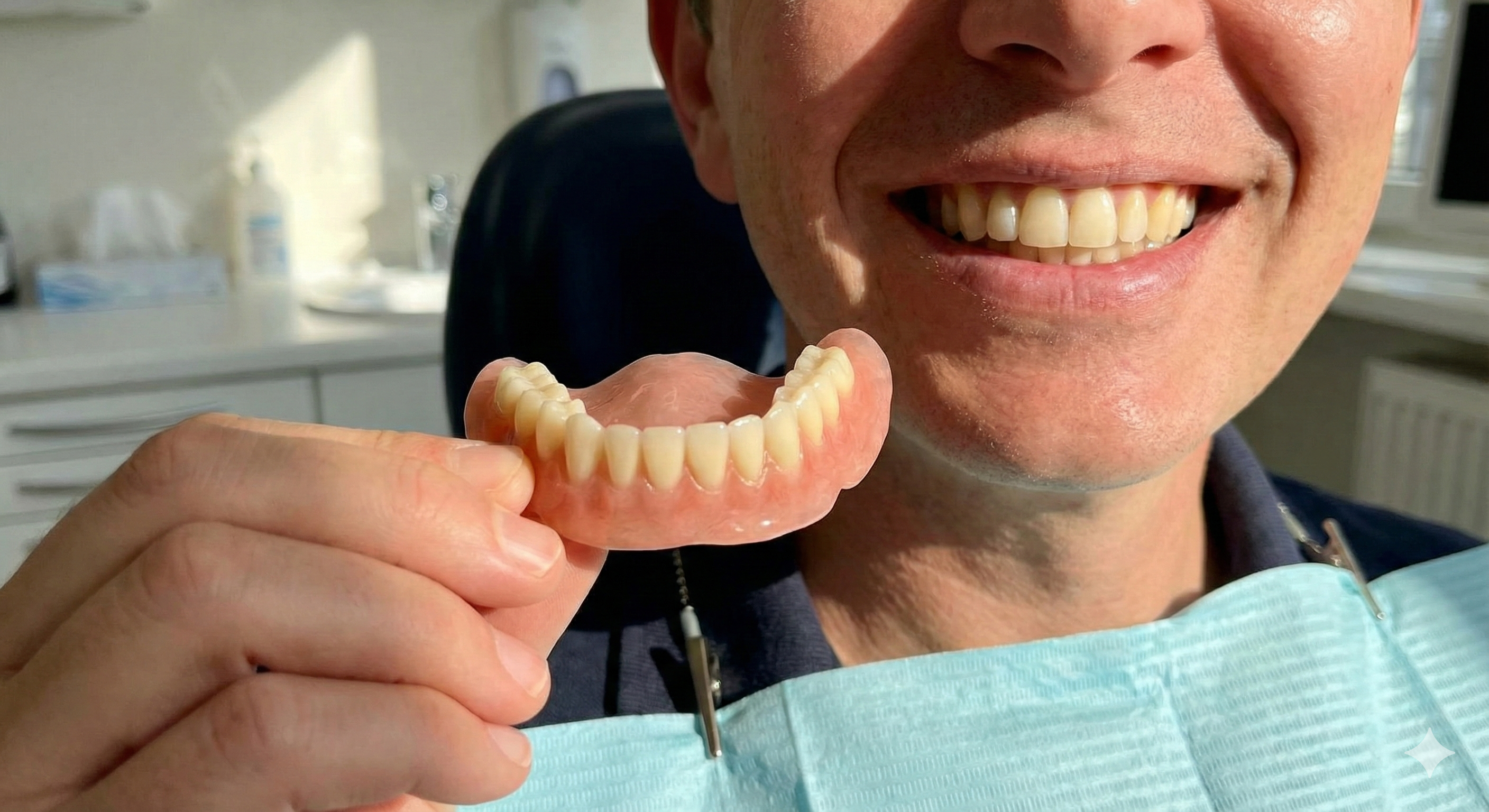
Flipper teeth are lightweight acrylic appliances designed to fill gaps during dental treatment.
They restore appearance immediately and help maintain tooth spacing.
Their design makes them comfortable for daily wear but not intended for heavy chewing.

Why People Wear Flipper Teeth

Users rely on them after tooth removal, during healing, or before implant placement.
They improve confidence by filling visible gaps and preventing unwanted shifting.
However, chewing limitations are expected due to the temporary acrylic structure.

Functional Expectations

A flipper is not anchored like a permanent restoration, so movement may occur during meals.
This slight looseness impacts biting power and stability.
Their purpose is aesthetic and transitional—not long-term, high-pressure chewing.

Illustration showing how flipper teeth sit on the gums

Can You Eat With Flipper Teeth?

General Eating Capability

Most individuals can eat with flipper teeth once they adapt.
Soft foods are easiest to start with, followed by gentle progression to moderate textures.
Strong biting force should be avoided to protect the acrylic base.

Initial Eating Experience

At first, the appliance may feel bulky or slightly loose.
This sensation improves as the mouth adjusts to pressure changes.
Practice builds confidence and chewing efficiency.

Recommended Professional Guidance

Dental providers emphasize slow chewing, avoiding risky foods, and maintaining cleanliness.
Adjustments may be necessary if discomfort persists.
A gradual, cautious eating routine is the safest approach during adaptation.

Foods You Can Eat With Flipper Teeth

Soft Foods for the Adjustment Stage

These foods allow comfortable chewing while minimizing pressure:

  • Mashed potatoes
  • Pudding and yogurt
  • Scrambled eggs
  • Smooth soups
  • Oatmeal or porridge

These options help users adapt safely.

Foods Introduced After Initial Comfort

As comfort improves, light-chewing foods become manageable:

  • Soft pasta
  • Cooked vegetables
  • Flaked fish
  • Soft casseroles
  • Shredded meats

Cutting food smaller improves control and reduces stress on the appliance.

Preparing Foods for Easier Chewing

Steaming vegetables, softening meats, or adding sauces improves texture.
These steps help distribute pressure more evenly.
Food preparation plays a key role in protecting the appliance during meals.

Foods to avoid with flipper teeth chart

Foods to Avoid With Flipper Teeth

Hard Foods

These foods require strong biting force and may crack the appliance:

  • Nuts
  • Hard vegetables
  • Crunchy crusts
  • Hard candies

Sticky Foods

Sticky items may lift or pull the appliance:

  • Caramel
  • Taffy
  • Chewy candies
  • Sticky bars

Tough Foods

These foods require forceful chewing and can cause damage:

  • Thick meat cuts
  • Stringy or fibrous items
  • Tough breads

Avoiding these items protects the flipper from cracking or dislodgement.

Techniques for Eating With Flipper Teeth

Chew Slowly and Evenly

Slow chewing gives the appliance time to remain stable.
Using both sides of the mouth prevents rocking motion.
This reduces discomfort and improves control.

Take Smaller Bites

Smaller bites reduce chewing pressure and help prevent shifting.
Cutting all foods into small pieces is highly recommended.
This technique leads to smoother adaptation.

Avoid Biting With Front Teeth

Flippers are vulnerable when biting into hard items with the front teeth.
Foods like apples or sandwiches should be cut into pieces.
Protecting the front portion prevents premature breakage.

Chewing techniques graphic

Comfort and Adjustment Period

Getting Used to the Appliance

Adaptation varies from person to person.
Most individuals feel comfortable after a few days to two weeks.
Soft foods make the early period easier.

Managing Soreness

Mild soreness is normal during the first days.
Salt-water rinses soothe irritated areas.
If pain continues, minor adjustment may be needed.

When Professional Help Is Needed

If the appliance shifts frequently or causes lasting discomfort, a professional evaluation is recommended.
Small adjustments greatly improve comfort and chewing support.
Routine evaluation helps maintain stability and oral health.

Cleaning and Maintenance While Eating

Clean After Eating

Rinsing the mouth prevents food accumulation under the flipper.
Gentle brushing helps maintain hygiene and freshness.
This prevents irritation and odor.

Store Safely When Removed

If removed for cleaning, the device should be stored properly to avoid bending.
Moist conditions prevent warping.
Proper storage increases durability.

Protect the Appliance Long Term

Avoiding excess force and cleaning regularly extend the appliance’s lifespan.
Consistent maintenance prevents cracks, pressure spots, and discomfort.


Pros and Cons of Eating With Flipper Teeth

FeatureBenefitsLimitations
Chewing abilitySoft–moderate foods are manageableNot suitable for hard or sticky foods
ComfortImproves with practiceInitial irritation possible
DurabilitySufficient for temporary useVulnerable to pressure
CareEasy to remove and cleanNeeds delicate handling

Understanding these factors helps users set realistic expectations.

Tips for Long-Term Eating Success

Build Mindful Eating Habits

Slow chewing and cutting food small improve safety.
Routine habits help prevent complications.

Monitor Fit Regularly

Changes in the mouth can alter flipper fit.
Early detection prevents irritation and instability.

Prioritize Comfort

Comfort leads to better eating habits and longer appliance life.
Consistency is key to successful long-term use.

Can you eat normally with flipper teeth?

You can eat with flipper teeth, but softer foods are recommended until you adjust. Hard or sticky foods may cause damage.

What foods should be avoided?

Hard, sticky, or tough foods should be avoided because they may crack or loosen the appliance.

How long does adjustment take?

Users typically adjust within a few days to two weeks.

Can you bite into food with the front teeth?

No. Biting into firm foods using the front teeth can loosen or damage the flipper.

Do flipper teeth break easily?

They can break under excessive force. Careful chewing helps protect them.

Should flippers be worn while eating?

Most people wear them while eating unless discomfort occurs.