
A bright, white smile is something many of us desire, making teeth whitening a popular choice. Whether you’re new to whitening or a regular participant, understanding the different methods can help you choose the right one for your needs. From in-office treatments to over-the-counter options, each method has its own benefits.
Once you’ve achieved your desired shade, maintaining that brightness is key. Proper care after whitening is essential to keep your smile radiant and prevent stains. Avoiding certain foods and practicing good oral hygiene are just a couple of the steps you can take to enjoy long-lasting results.
Exploring these whitening options and learning how to care for your teeth afterward can significantly impact the longevity and effectiveness of your whitening efforts. Keeping your pearly whites shining doesn’t have to be complicated. With the right approach, you can maintain that stunning smile effortlessly.
Understanding Different Teeth Whitening Methods
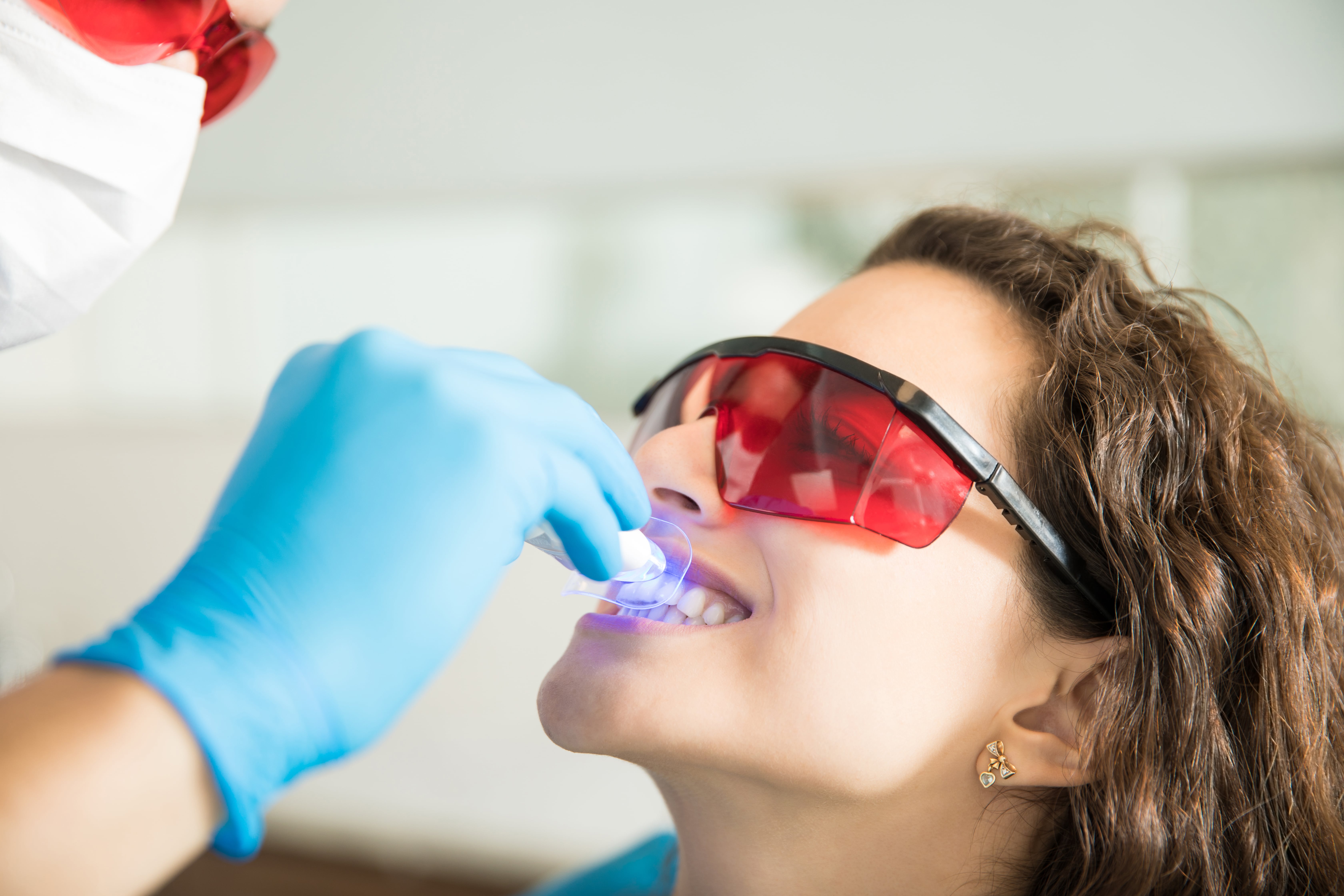
Teeth whitening can brighten your smile and boost your confidence, but understanding the various methods available is crucial to making the best choice. One of the most common approaches is in-office professional whitening. This method is carried out by your dentist and offers powerful results in just one visit. Dentists use stronger bleaching agents combined with special lights or lasers to speed up the whitening process, delivering immediate results.
Another option is at-home whitening kits prescribed by dentists. These kits include custom-fitted trays and professional-grade whitening gel. This method offers great results but takes more time compared to in-office treatments. It typically requires wearing the trays for a few hours each day over a week or two. This method allows you to achieve gradual whitening from the comfort of your home.
Then there are over-the-counter whitening products such as strips, gels, toothpaste, and rinses. These products are more accessible but generally contain lower concentrations of bleaching agents, which means they can take longer to show noticeable results. Whitening strips and gels are popular choices in this category because they are easy to apply and can start showing results after a few days of use.
Consider factors like cost, time, and expected results when choosing a whitening method. Professional options may provide more noticeable results faster, while over-the-counter products are budget-friendly and convenient for gradual whitening. Discussing with your dentist can give you a clearer picture of what method suits your dental health and whitening goals.
Aftercare Tips to Maintain Tooth Whiteness
Keeping your teeth white after a whitening treatment requires some dedication. Proper aftercare ensures that your teeth remain bright and free from new stains. Here are some helpful tips to maintain that dazzling smile:
1. Steer Clear of Stain-Causing Foods & Drinks: Avoid consuming dark-colored foods and beverages such as coffee, tea, red wine, and berries, particularly immediately after your treatment. If you do indulge, consider using a straw to minimize contact with your teeth.
2. Brush and Floss Regularly: Maintaining good oral hygiene by brushing twice a day and flossing daily helps prevent plaque buildup, which can dull your smile. A whitening toothpaste can also aid in keeping your teeth shiny.
3. Rinse After Meals: If brushing isn’t an option, rinse your mouth with water after eating to wash away food particles. This simple act can help prevent stains from setting in.
4. Regular Dental Checkups: Visiting your dentist for cleanings and checkups keeps your teeth healthy and can maintain the longevity of your whitening results. Your dentist can spot early signs of staining and advise on any touch-ups needed.
5. Avoid Tobacco Products: Smoking and chewing tobacco can quickly undo the effects of teeth whitening. Avoiding these products not only maintains whiteness but also contributes to better overall oral health.
Staying mindful of what you consume and sticking to a good oral care routine will help preserve your teeth’s whiteness. Using these tips, you can enjoy a bright smile long after your whitening treatment is complete.
Common Mistakes to Avoid After Teeth Whitening
After undergoing teeth whitening, maintaining your newly bright smile is important. However, there are a few mistakes people often make that can lead to less-than-desirable results.
One common mistake is neglecting to avoid stain-causing substances immediately after treatment. After whitening, your teeth are more susceptible to stains. Consuming foods and drinks like coffee, tea, red wine, and tomato sauce can easily dull your freshly brightened smile. It’s best to steer clear of these for at least 48 hours post-treatment.
Another error is skipping good oral hygiene practices. Regular brushing and flossing are crucial to removing plaque and preventing stains. Using a soft-bristled toothbrush can be gentle on your sensitive teeth after whitening, and whitening toothpaste can help maintain the new brightness.
Failing to hydrate can also affect the results. Drinking water helps wash away residue from meals and drinks, keeping your teeth cleaner and less prone to staining. Opt for water instead of sugary or acidic beverages.
Lastly, using over-the-counter whitening products excessively in an attempt to boost results can harm teeth and lead to increased sensitivity. Always follow your dentist’s recommendations on touching up your whitening to ensure the health of your enamel.
Home Remedies and Professional Treatments Compared
Choosing between home remedies and professional treatments for teeth whitening can be confusing. Both options have their advantages and limitations, making it essential to weigh them carefully.
Professional treatments, such as those offered by dentists, deliver quick and impressive results. They use high-concentration bleaching agents and specialized equipment to brighten teeth effectively. While these treatments can be pricier than home remedies, the results are often more lasting. They are also supervised by professionals, minimizing the risk of harming your teeth or gums.
Home remedies include using baking soda, hydrogen peroxide rinses, and over-the-counter whitening strips or gels. These options are typically more affordable and easily accessible. However, results vary and often take longer to achieve noticeable changes. A downside is the potential for inconsistent outcomes, and there’s a risk of overuse, which can lead to tooth sensitivity or gum irritation.
Professional guidance can help you decide the best method based on your dental health and whitening goals. While home remedies may be tempting due to cost and convenience, consulting a dentist ensures that your approach is safe and tailored to your needs. Balance and expert advice are key to retaining a healthy, bright smile.
Conclusion
Achieving and maintaining a bright, white smile involves understanding your options and making informed choices. Whether you choose professional treatments for their fast results or opt for home remedies for convenience, both have their place in the whitening process. Remember to avoid common pitfalls after treatment to keep your teeth shining longer.
Proper aftercare and avoiding mistakes are pivotal to the success of your teeth-whitening journey. By staying diligent with your oral hygiene routine and consulting with professionals when needed, you can enjoy a long-lasting, brilliant smile. Staying informed about methods and maintaining good habits will empower you to achieve the smile you desire.
If you’re ready to enhance your smile and explore teeth-whitening options that suit your needs, The Dental Express is here to help. Our team provides expert advice and treatments to make sure your teeth shine their brightest. Visit us today to learn more and take the first step towards a dazzling, confident smile.